Uneven Concrete2026-10-15T12:01:19-05:00

Uneven Concrete: Sidewalks, Driveways & Patio Slabs in Sioux Falls, SD

If a section of your sidewalk has dropped, your driveway no longer sits level, or your patio is starting to slope, the concrete itself probably isn't the problem. Often, the soil beneath it has settled, moved or washed away, which causes the slab to become uneven. Over time, that can create trip hazards, drainage problems and continued settlement. If the slab is still in good shape, professional concrete lifting can often restore it without the cost or disruption of replacement.

Symptoms

Signs Your Concrete Needs Attention

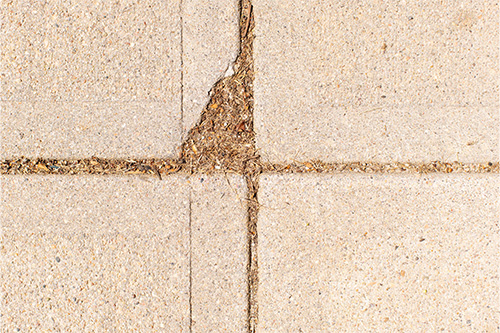
Uneven concrete rarely appears overnight. You might first notice a small lip between two sidewalk slabs, a section of driveway that has settled or water collecting where the surface once drained properly. As soil movement carries on, those changes tend to become more noticeable. Recognizing the warning signs early can help you repair the existing concrete before the problem becomes more severe.

Causes

What Causes Uneven Concrete?

Concrete doesn't typically become uneven just because of its age. It depends on stable, well-supported soil beneath it. When that soil settles, washes away, expands, contracts or wasn't properly compacted during construction, the slab loses support and begins to shift. Understanding why the concrete moved is the first step in choosing the right repair solution.

  • Soil Settling

    Soil can compress with time, particularly if fill soil was placed under the concrete during construction. When the soil settles, the concrete above it can drop.

    This often happens unevenly. One part of a slab may have plenty of support while another section settles into softer or more compacted soil. That’s why a sidewalk, driveway or patio often sinks in just one area.

  • Improper Soil Compaction

    Before concrete gets poured, the soil underneath needs to be properly prepared and compacted. If that step wasn’t done thoroughly, the soil can compress later under the weight of the concrete.

    The slab may look fine when it’s first installed, then gradually settle as the ground underneath it changes.

  • Soil Erosion from Water

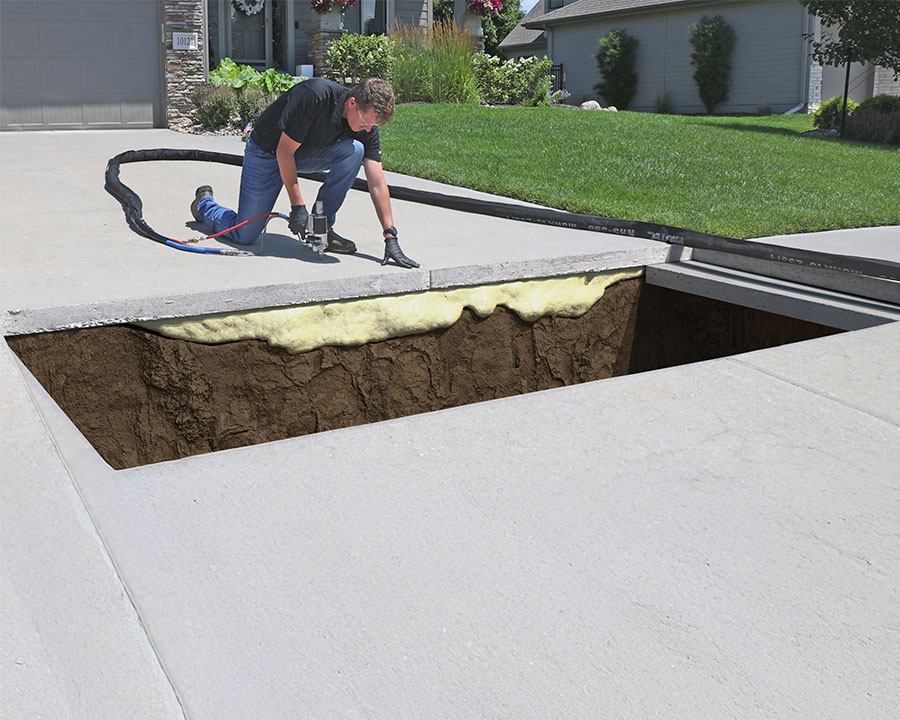
    Water can work its way beneath concrete and carry soil with it. Given enough time, that can leave empty spaces beneath the slab.

    Once part of the concrete is no longer fully supported, it can settle into the space below. Drainage issues, runoff and water moving through cracks or joints can all contribute to this type of erosion.

  • Freeze-Thaw Cycles

    Freezing temperatures can also affect the soil under concrete. Water held in the soil expands when it freezes, then contracts again when it thaws.

    A single freeze/thaw cycle may not cause a noticeable problem, but repeated seasonal cycles can contribute to movement, particularly if other soil or drainage problems are already present.

  • Poor Drainage Around the Slab

    Water always needs somewhere to go. When the drainage around a driveway, sidewalk or patio isn’t working properly, water can collect around or beneath the concrete instead of flowing away.

    Over time, excess moisture can weaken the supporting soil, create unstable conditions beneath the slab and lead to settlement. It also increases the risk of erosion and freeze-thaw damage.

Why Uneven Concrete Deserves Attention

  • Minor Settlement Turns into a Safety Hazard

    Uneven concrete often begins with a small lip between slabs or a slight slope that’s easy to miss. As that height difference grows, it can create trip hazards across sidewalks, walkways, patios and driveways.

  • Water and Soil Problems Get Worse

    When concrete continues to settle, drainage patterns change. Water can collect in low spots or work beneath the slab, carrying away more soil and increasing seasonal freeze-thaw movement. Without stable support, the concrete will likely keep shifting.

  • Small Repairs Can Grow into Bigger Projects

    What starts as a section of uneven concrete can grow into a larger repair if settlement continues. Addressing the problem early often makes it possible to lift and level the existing slab, while putting it off may lead to additional movement, more extensive repairs or the need for replacement if the concrete becomes too damaged.

Blackburn Foundation Repair's Repair Solution for Uneven Concrete

Uneven concrete is often repaired by rebuilding the support beneath the slab rather than replacing the concrete itself. Using proven concrete repair systems, Blackburn Foundation Repair lifts settled slabs, stabilizes the supporting soil and helps shield the concrete from future water intrusion. You end up with a safer, more level sidewalk, driveway, patio or other concrete surface with long-lasting performance and minimal disruption.
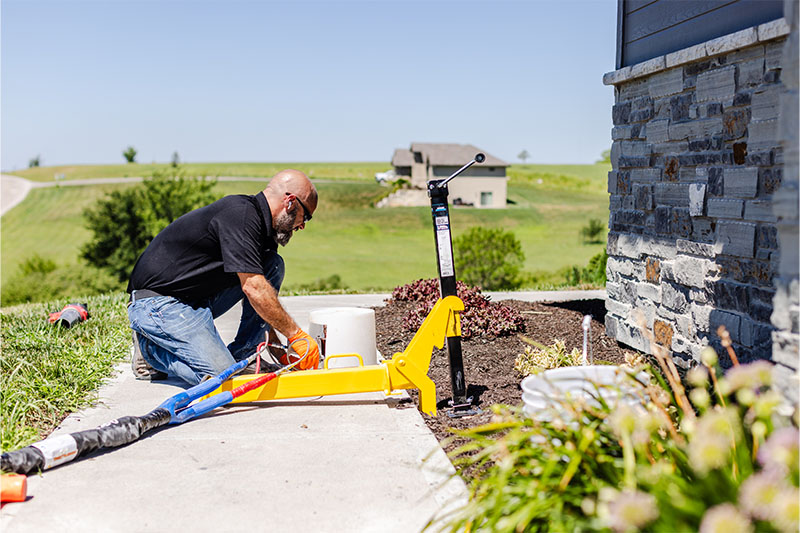
  • PolyLevel® Concrete Lifting

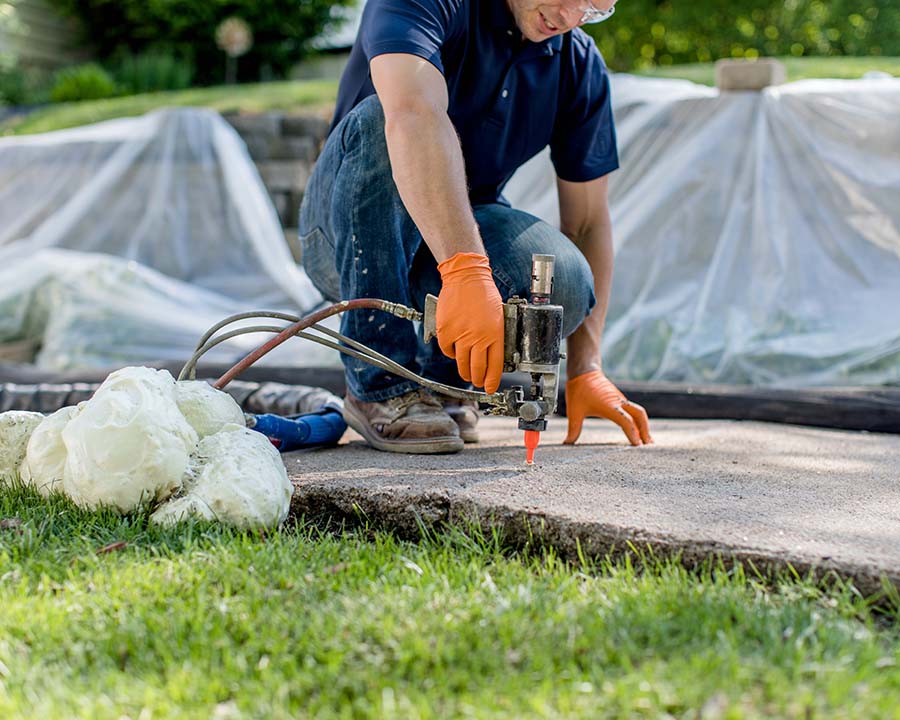
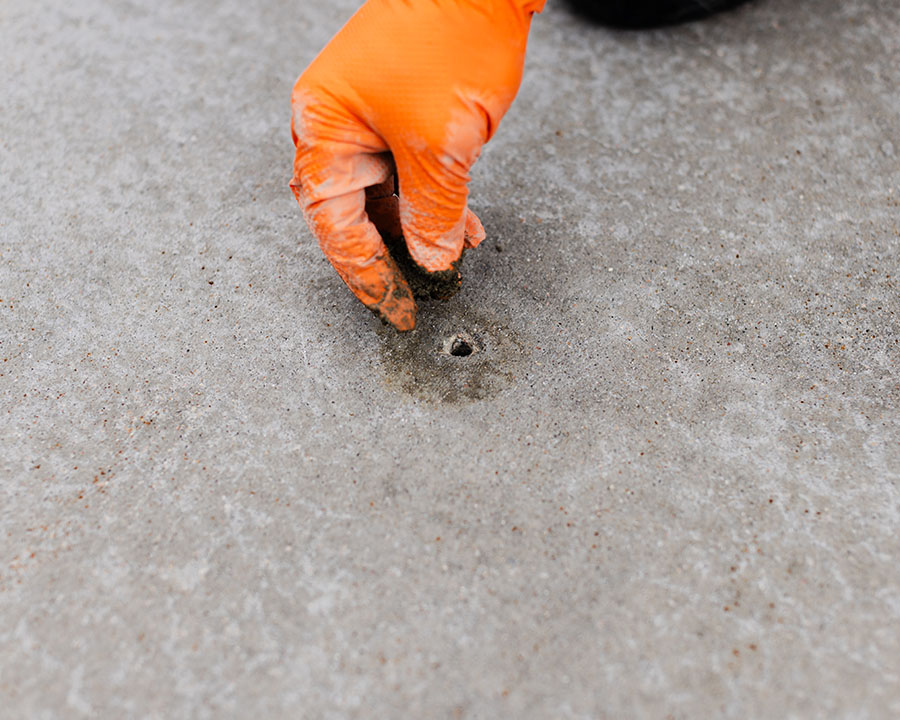
    PolyLevel® uses expanding polyurethane foam to fill the voids beneath uneven concrete, stabilize the supporting soil and precisely lift settled slabs. The repair is minimally invasive, cures fast and is often ready for normal use the same day.

  • NexusPro® Joint & Crack Sealant

    After concrete is lifted, sealing the joints and cracks helps protect the repair from water intrusion. NexusPro® is a flexible, UV-resistant sealant designed to stop water from washing away the supporting soil beneath sidewalks, driveways, patios and other concrete surfaces, helping reduce the risk of future settlement.

How It Works

Our Concrete Leveling Process
Benefits

Why Homeowners Choose Blackburn Foundation Repair

Body Copy Specific to Each Dealer

What To Expect

Ready to get started?

Schedule a free estimate to start your repair journey with Blackburn Foundation Repair.

Schedule your inspection

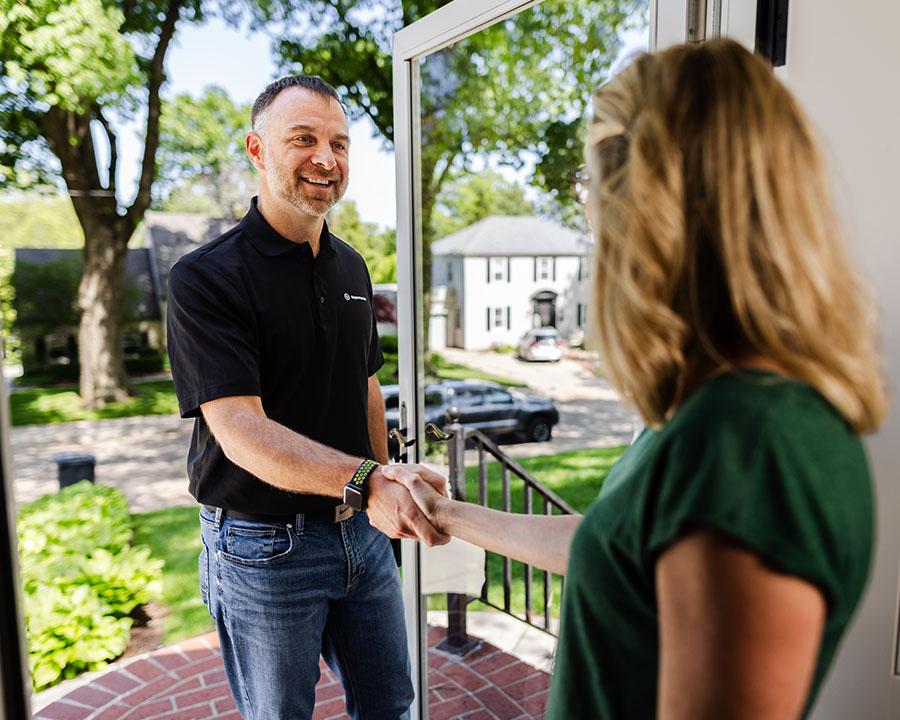
Fill out our form or give us a call to book your inspection. Share what you’ve noticed so we can send the right expert to your home.

Full home
inspection

An expert will inspect the problem area and surrounding conditions, including soil movement, drainage, structural integrity, and any related concerns.

Clear explanation
of findings

We’ll walk you through what we’re seeing in easy-to-understand language so you know the root cause of the issue, not just the symptoms.

Review recommendations

If repairs are needed, we’ll outline your options, pricing, and timeline so you can make the best decision for your home.

Schedule your free inspection—

It'll only take
a minute

Meet with a trusted expert, and get
clear answers about your home.

"*" indicates required fields

1Your Info
2Schedule Your Inspection
3Review & Submit

Customer Information

Don't just take our word for it

See what our customers have to say about our work.

Before & after photos

Check out before and after photos from some of our completed projects.

Blackburn Foundation Repair
Service Area

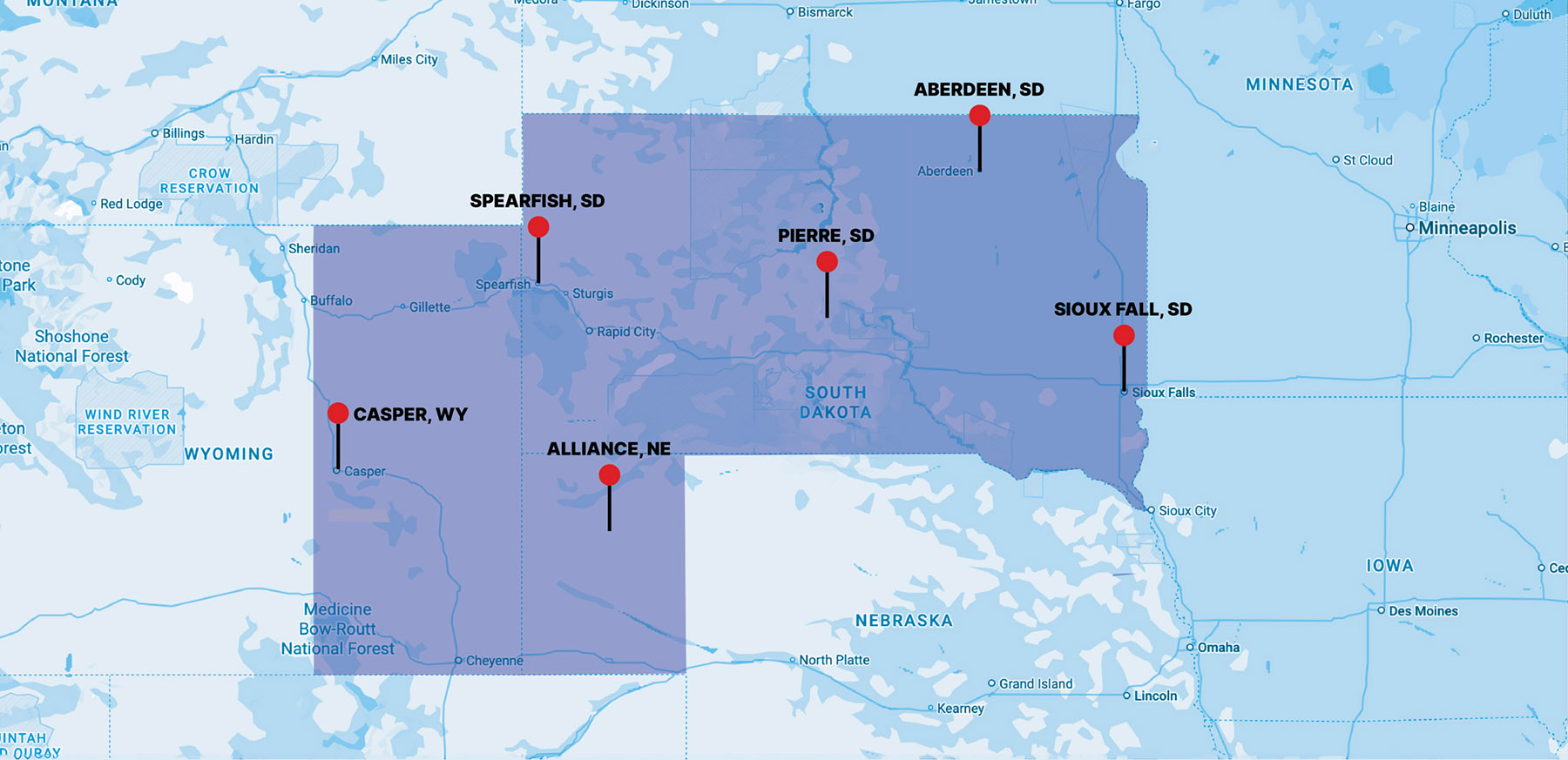
Foundation, Basement, Crawl Space, Concrete and Radon Services Across South Dakota, Nebraska and Wyoming

Frequently Asked Questions

Is all uneven concrete liftable? 2026-10-02T11:33:44-05:00

Not all slabs are good candidates for lifting. Concrete that is severely cracked, crumbling or structurally damaged may need to be replaced. During an inspection, a specialist evaluates both the slab and the soil beneath it to determine whether lifting makes sense. 

Why does only a section of a concrete slab sink? 2026-10-02T11:33:17-05:00

Concrete often settles unevenly because the soil conditions can differ beneath the same slab. One area may remain supported while another loses soil through settlement, erosion or poor compaction, which causes only part of the sidewalk, driveway or patio to sink. 

How long does concrete lifting hold up? 2026-10-02T11:32:48-05:00

Polyurethane foam lifting is built as a long-term repair because it fills voids and restores support beneath the slab. How long the repair lasts also depends on drainage, future soil movement and the condition of the concrete. Correcting water issues around the repaired area can help protect the supporting soil from additional erosion. 

Will uneven concrete continue to get worse? 2026-10-02T11:32:22-05:00

Often, yes. If the soil beneath the concrete keeps settling, washing away or changing with moisture, the slab may continue to move. Water is especially important to watch. If it is working beneath the concrete, it can continue eroding the soil and open up larger voids beneath the slab. Drainage and soil conditions should be reviewed when determining whether the problem is likely to progress. 

How much does uneven concrete repair cost? 2026-10-02T11:31:53-05:00

The cost comes down to the size of the affected area, how much the concrete has dropped, the condition of the slab and the repair method needed. That’s why there’s no single price for uneven concrete repair. A specialist can evaluate the concrete and the soil conditions, then provide pricing based on the work your property actually needs. When the existing concrete can be lifted, the cost is usually lower than removing the old concrete and installing a completely new slab. 

Is uneven concrete dangerous? 2026-10-02T11:31:21-05:00

Uneven concrete can create a trip hazard, above all on sidewalks, walkways, patios and steps. It doesn’t take a large raised edge to catch someone’s foot. It can also create accessibility concerns and potential liability issues in frequently used areas of the property. If concrete has noticeably shifted, having the area evaluated will tell you whether the movement is likely to continue. 

Can uneven concrete be fixed without replacing it? 2026-10-02T11:30:42-05:00

Yes. Uneven concrete can often be leveled without replacement as long as the slab is still structurally sound. Polyurethane foam lifting fills voids beneath the concrete, restores support and brings the settled section back toward level. This can be a more affordable and less disruptive option than replacing the entire section. Replacement may be necessary when the concrete is severely cracked, damaged or otherwise unsuitable for lifting. An inspection can help determine which approach makes sense. 

What causes concrete to become uneven? 2026-10-02T11:30:09-05:00

Uneven concrete is usually caused by changes in the soil beneath the slab. Soil settles or compresses, water washes soil away, and moisture changes can cause some soils to expand and contract. Freeze-thaw cycles can add to that movement. Poor soil compaction, drainage problems, heavy vehicle traffic and occasionally tree roots can also play a role. The concrete itself is usually still in usable condition, the problem is that it’s lost some of the support it originally had underneath it. 

Related pages

Service Areas

Blackburn has locations throughout South Dakota, Wyoming and Nebraska.

Resources

Access valuable resources to help keep your home healthy and your family safe.

The Thrasher Promise

At Thrasher, we pride ourselves on providing permanent solutions, and stand behind our work with industry-leading, fully transferable warranties and guarantees.

Schedule your free inspection today

Don’t let unanswered questions about your
home worry you any longer.
Go to Top