Symptoms
Signs to Watch For
Sagging and bouncy floors rarely happen overnight. What starts as a slight dip, soft spot, or springy feeling underfoot often develops gradually as the structural supports under your home weaken. Because the movement happens slowly, many homeowners aren't aware there's a problem until the movement becomes more noticeable.
Whether the source is failing crawl space supports, weakened floor joists, crawl space moisture, or foundation settlement, these symptoms all point to a floor system that may no longer have the structural support it needs. Catching the warning signs early can help prevent more extensive structural repairs.


Causes
What Leads to Sagging and Bouncy Floors?
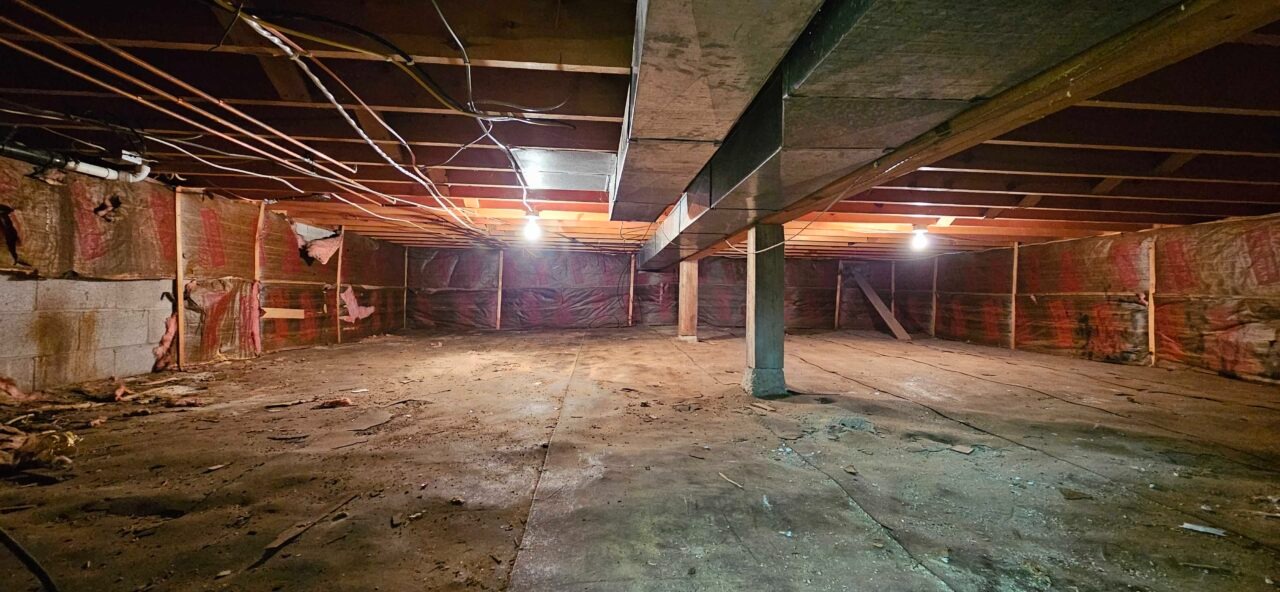
Sagging and bouncy floors happen when the structural framing beneath your home can no longer carry the weight above it properly. In many homes, the problem begins in the crawl space or basement, where floor joists can be undersized, weakened, spaced too far apart or no longer properly supported by beams or crawl space posts. In addition, moisture damage, wood rot or foundation movement allows the floor system to flex, dip or become uneven over time.


The Stages of Floor Support Problems

Supports Begin to Weaken
Moisture, weak soil, aging posts or inadequate framing slowly chip away at the strength of the support system beneath the floor. Early on, the change may be subtle and difficult to notice from inside the home.
Floors Begin to Dip or Bounce
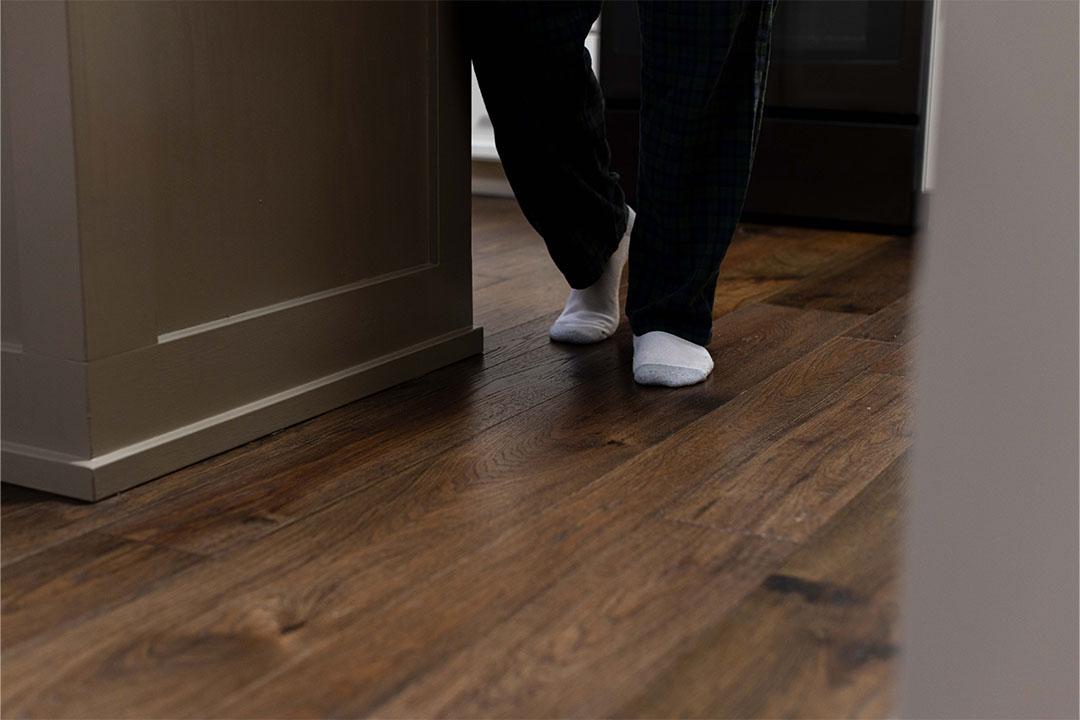
As the joists, beams or support posts lose strength, the floor above begins to give under its own weight. Homeowners may notice a slight bounce, a low spot, small flooring cracks or furniture that no longer sits level.
Floors Keep Sagging and Shifting
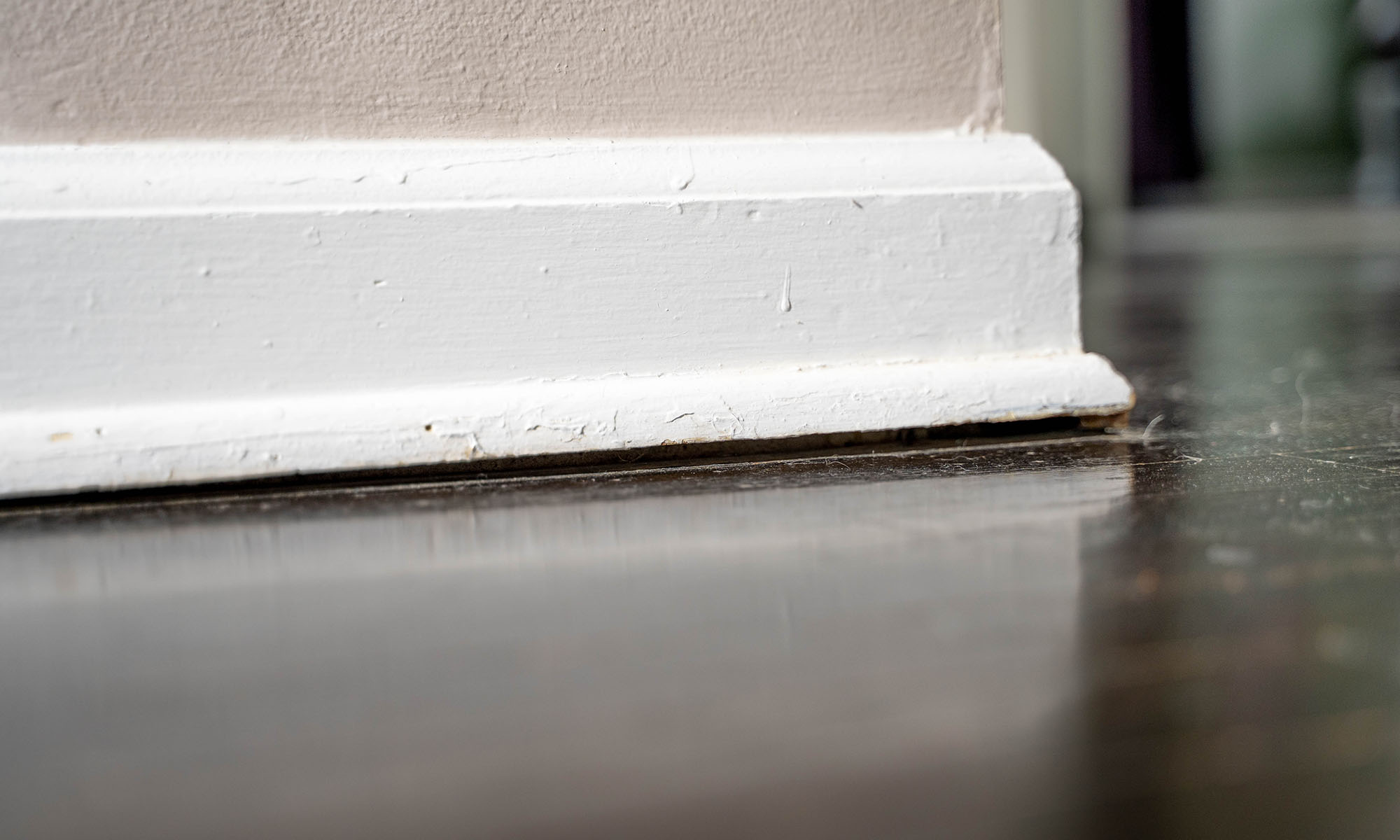
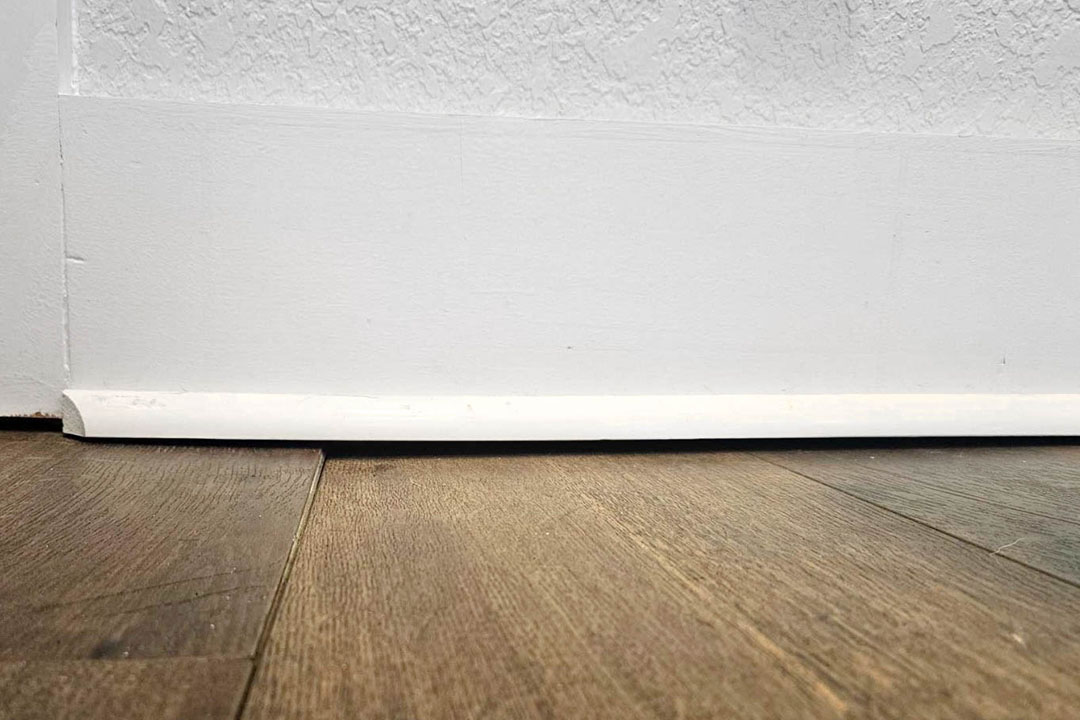
Without repair, the unsupported area will often continue to settle or sag. Floors may become noticeably uneven, gaps can form along walls and baseboards and doors or interior finishes may start showing related movement.
Our Solutions for Sagging & Bouncy Floor Repair
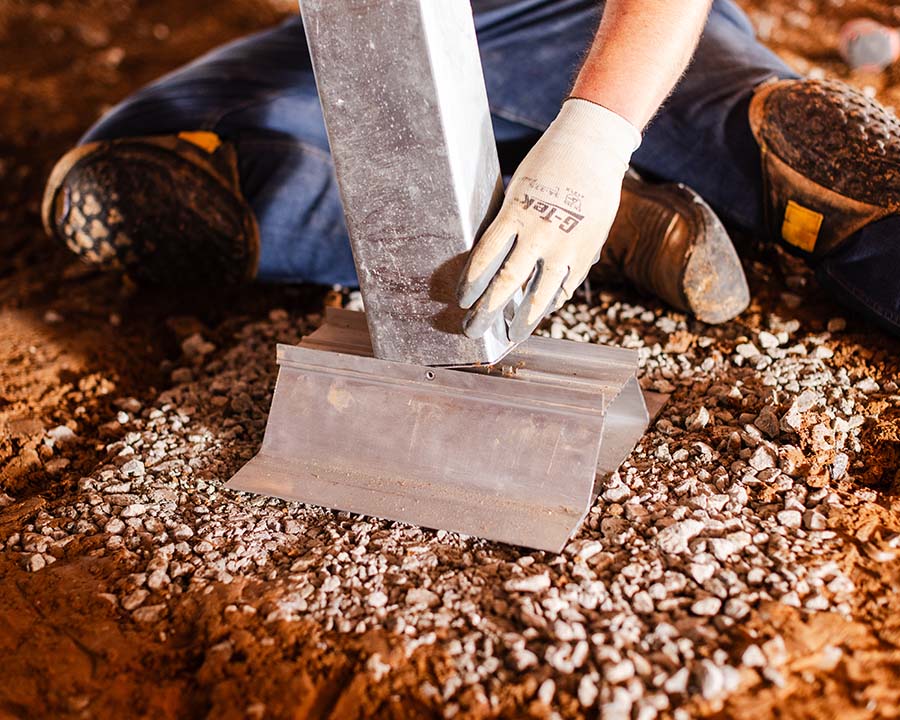
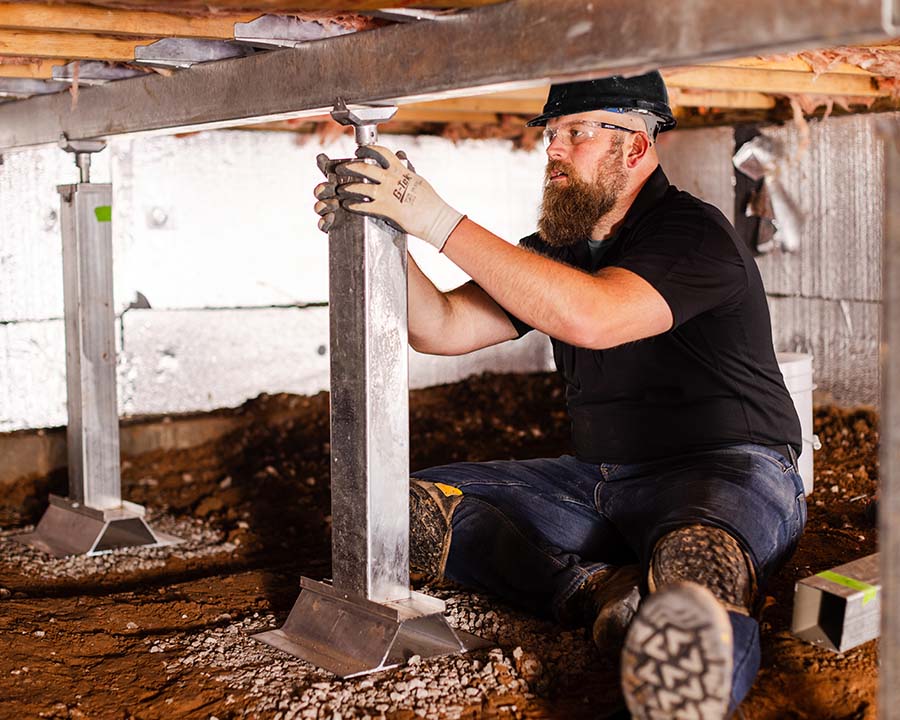
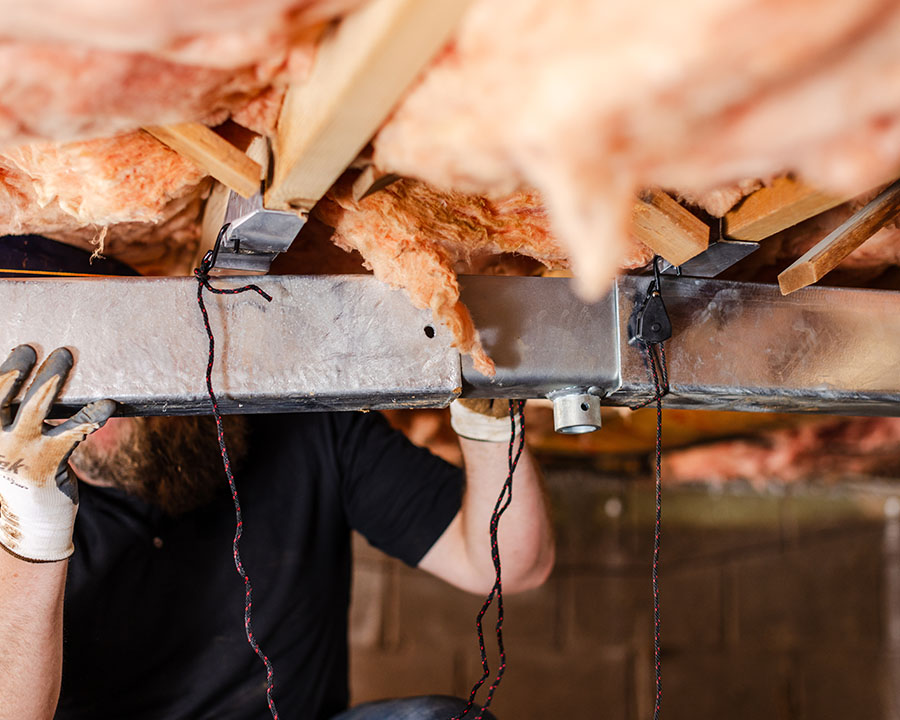
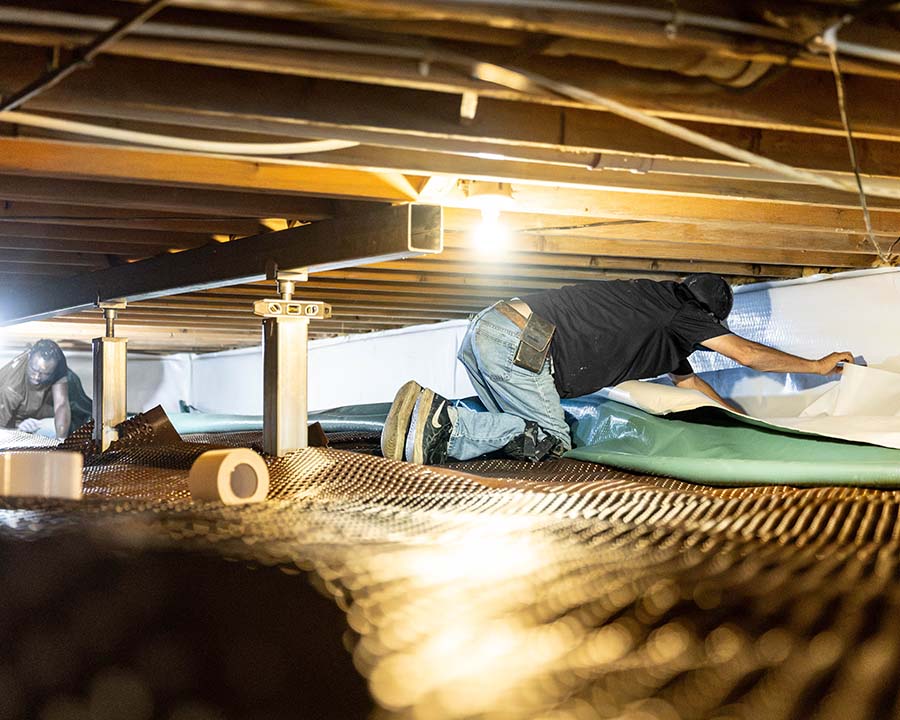
Sagging floor repair starts by stabilizing the structural support system beneath your home. Instead of replacing the flooring itself, Blackburn Foundation Repair reinforces the weakened beams and floor joists from the crawl space or basement with the SmartJack® crawl space support system. The result is a stronger, more stable floor with less movement and long-term support.

How It Works
Sagging and Bouncy Floor Repair
What To Expect
Ready to get started?
Schedule a free estimate to start your repair journey with Blackburn Foundation Repair.

Schedule your inspection
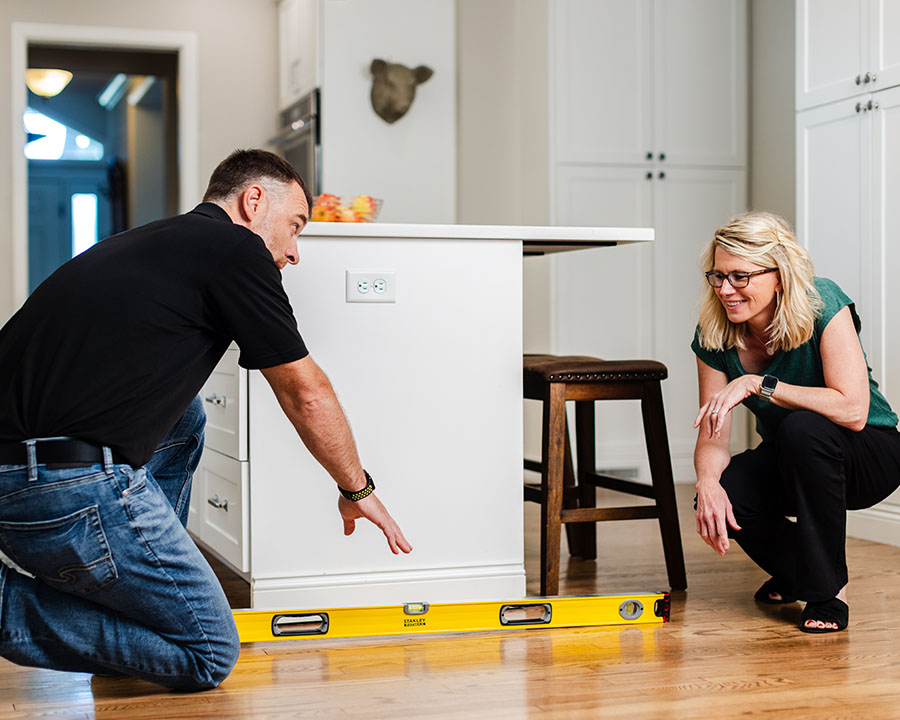
Fill out our form or give us a call to book your inspection. Share what you’ve noticed so we can send the right expert to your home.

Full home
inspection
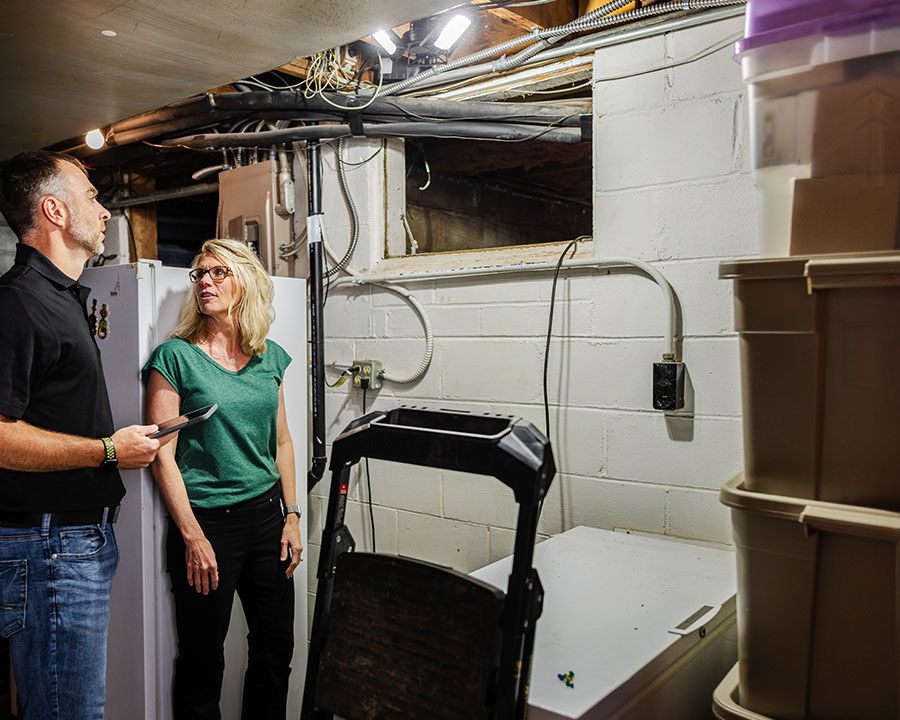
An expert will inspect the problem area and surrounding conditions, including soil movement, drainage, structural integrity, and any related concerns.

Clear explanation
of findings
We’ll walk you through what we’re seeing in easy-to-understand language so you know the root cause of the issue, not just the symptoms.

Review recommendations
If repairs are needed, we’ll outline your options, pricing, and timeline so you can make the best decision for your home.
Schedule your free inspection—
It'll only take
a minute
Meet with a trusted expert, and get
clear answers about your home.