

Dry Rot Damage2026-10-15T15:04:33-05:00

Dry Rot Damage in Your Crawl Space

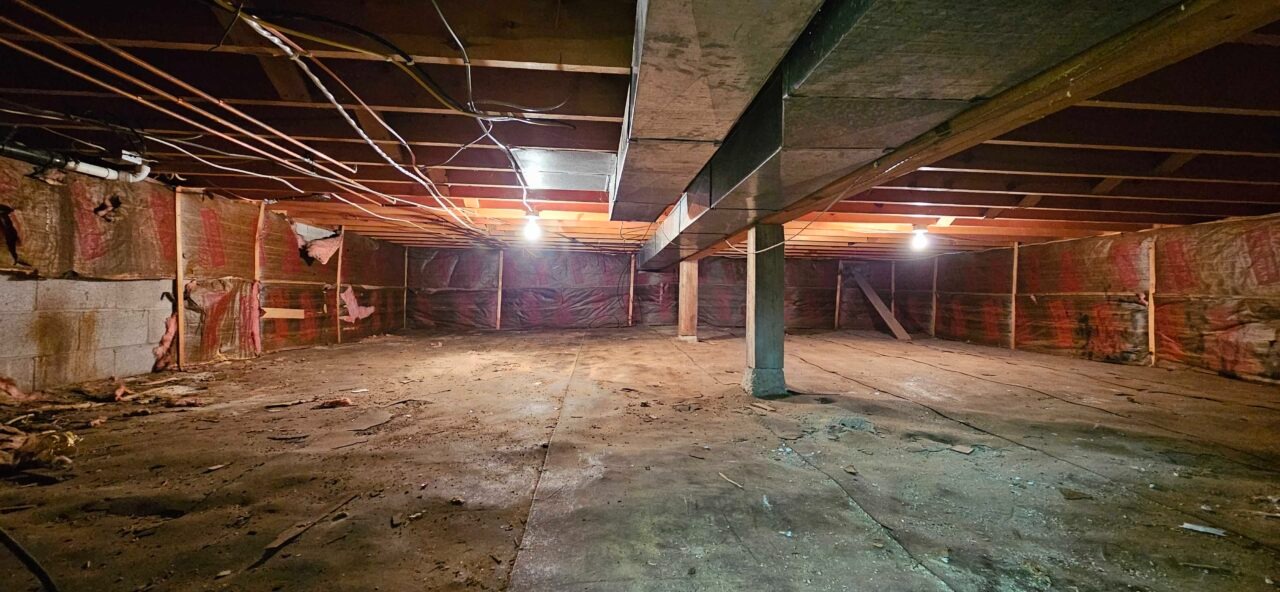
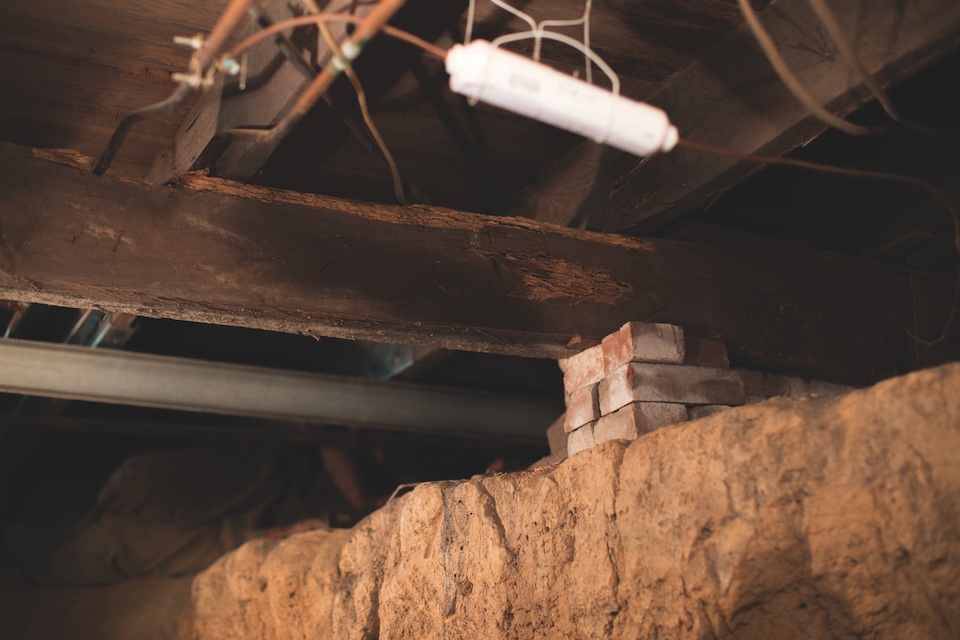
Dry rot is a type of fungal wood decay that develops when crawl space wood stays damp. Left alone, the damage can deteriorate floor joists, beams and other structural wood. Blackburn Foundation Repair can track down the source, repair the damaged areas and help prevent moisture problems from returning.

Symptoms

Signs of Dry Rot Damage in Your Crawl Space

You may spot signs of crawl space wood rot inside your home before you ever lay eyes on the damaged wood. Sagging floors, musty odors and other changes can signal moisture and decay below. Keep an eye out for these common signs of dry rot damage.

Causes

Why Dry Rot Damage Happens in [Target Location] Crawl Spaces

Despite its name, dry rot needs moisture to get started. When crawl space wood sits damp long enough, wood-decay fungi can start breaking down its fibers and compromising the structure. In [Target Location], moisture can get into a crawl space in several ways. Finding and correcting that moisture source is an important part of removing the conditions that allow rot to keep spreading.

  • Ground Moisture from a Dirt Floor

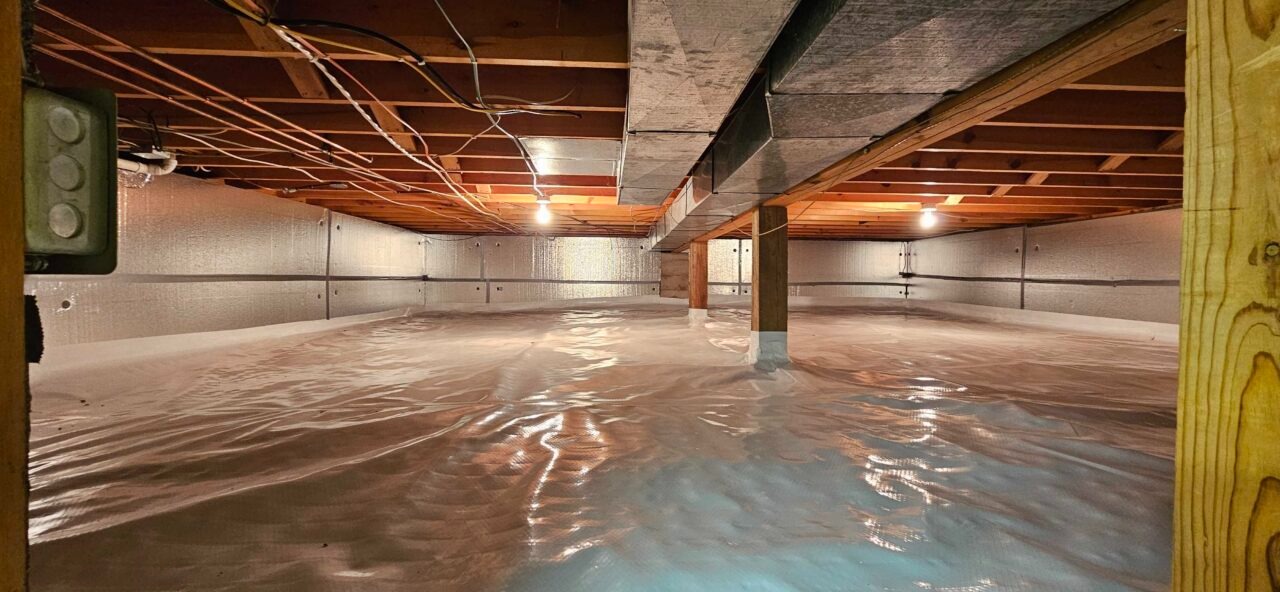
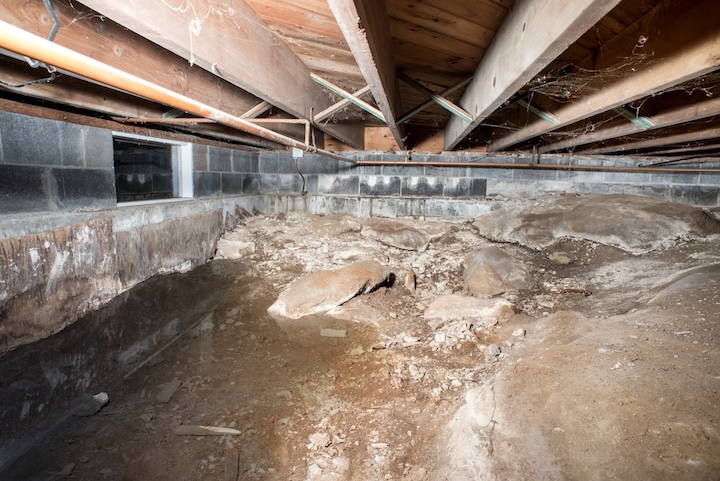
    An exposed dirt crawl space floor can steadily give off moisture vapor, even when the soil looks dry. That moisture can raise crawl space humidity and keep floor joists, beams and subflooring damp enough to create favorable conditions for fungal decay.

    Groundwater and damp soil beneath your home are constant sources of moisture. Without a properly installed crawl space vapor barrier, water vapor can move from the soil into the crawl space. Over time, consistently damp wood becomes more vulnerable to decay, especially when the space has few opportunities to dry out.

  • Humid Outside Air Entering the Crawl Space

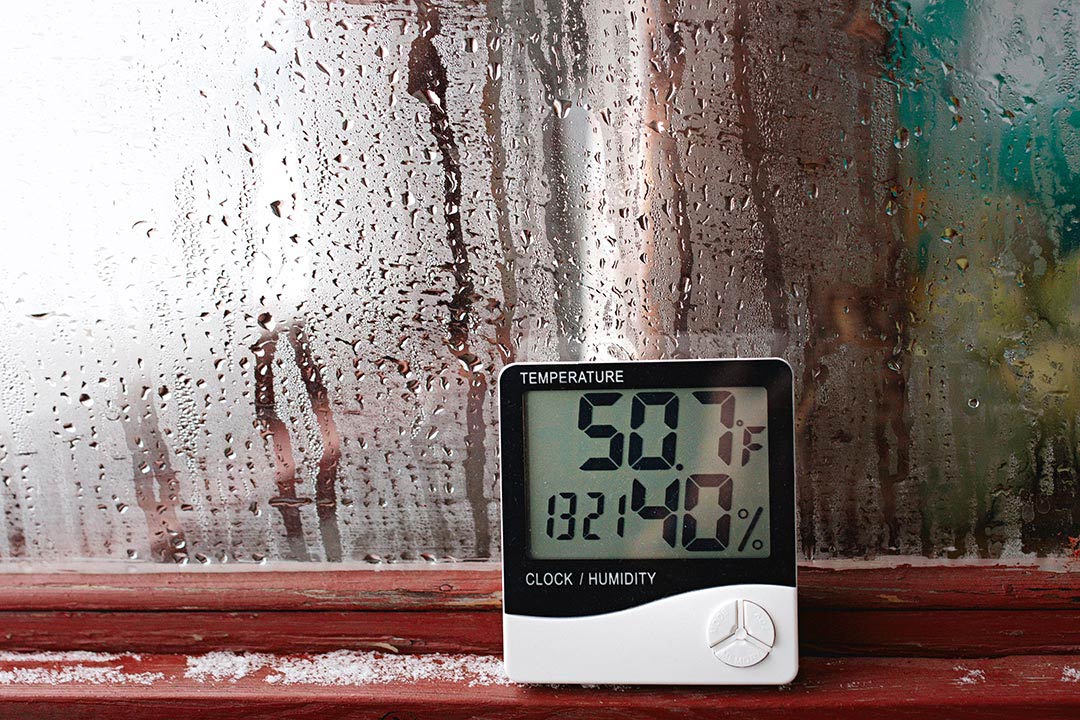
    Open vents, damaged vent covers and loosely sealed access doors can allow warm, humid outdoor air into the space. When that air hits cooler wood, ductwork and other surfaces, condensation can form and add to the damp conditions that wood-decay fungi need.

    Ventilation doesn’t always dry a crawl space. During warm, humid weather, pulling more outside air into a cooler crawl space can actually add moisture. Repeated condensation and elevated humidity can stop structural wood from drying out properly, raising the risk of fungal decay over time.

  • Plumbing, HVAC or Ductwork Moisture

    A pipe leak, dripping plumbing connection or HVAC condensation problem can introduce water directly into a crawl space. Even a slow leak can keep nearby floor joists, subflooring, beams or other wood damp long enough for rot and structural damage to develop.

    Because these leaks are tucked away below the home, they may stay unnoticed for months. Water can saturate insulation or repeatedly wet the same structural components before there’s an apparent problem upstairs. Tracking down the leak and determining how much surrounding wood has been affected are both important parts of correcting the damage.

  • Water Draining Toward Your Foundation

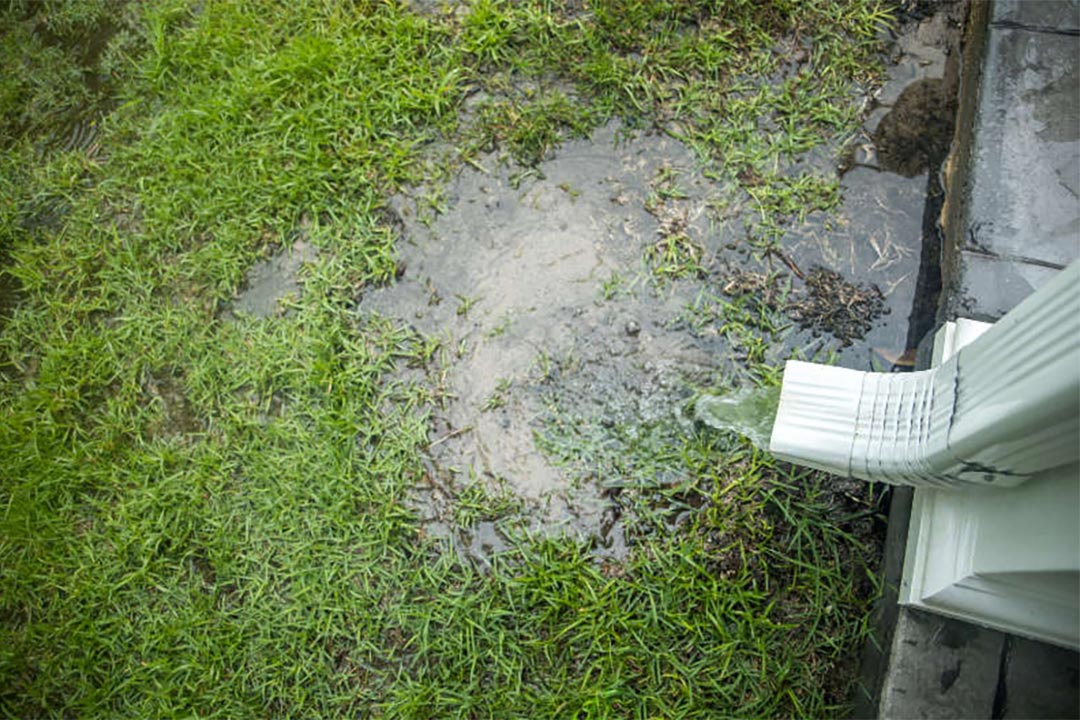
    Poor grading, clogged or damaged gutters and short downspouts can allow rainwater to collect near your foundation. That water can find its way into the crawl space, driving up humidity or creating standing water that keeps structural wood in contact with moisture.

    Heavy rain can make exterior drainage problems more noticeable, but repeated smaller amounts of water can also cause chronic crawl space moisture. Keeping roof runoff directed away from the foundation and correcting drainage problems can help reduce the water entering the crawl space and contributing to wood decay.

How Moisture Becomes Crawl Space Wood Rot

  • Stage 1

    Moisture Enters the Crawl Space

    Soil moisture, plumbing leaks, poor drainage or humid outside air can add moisture to your crawl space. When that moisture can’t get out, floor joists, beams and other structural wood can stay wet rather than drying out.

  • Stage 2

    The Wood Stays Damp

    Wood-decay fungi need moisture to grow. When the moisture content of crawl space wood stays around 20% or higher, conditions turn more favorable for fungal decay. The longer the wood stays damp, the more opportunity there is for damage.
  • Stage 3

    Wood Begins Weakening

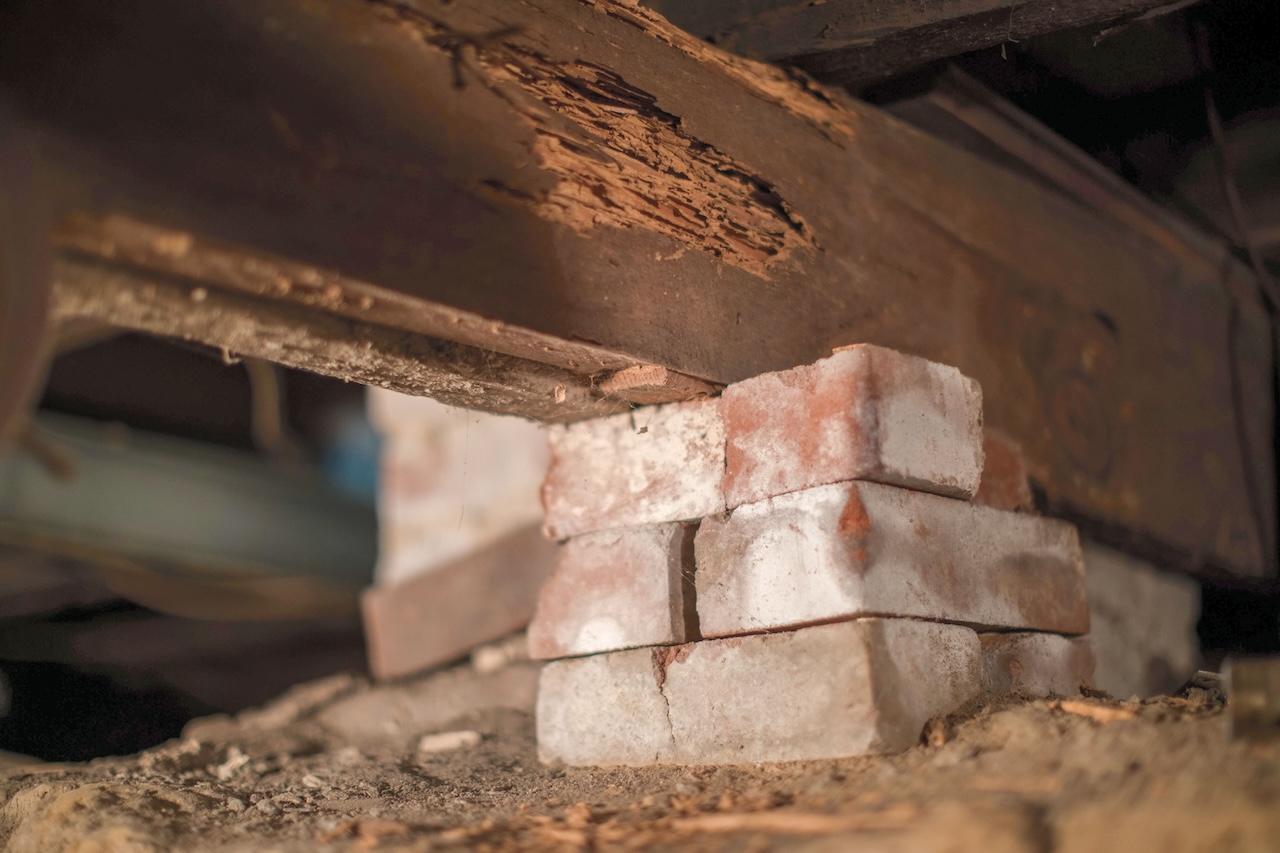
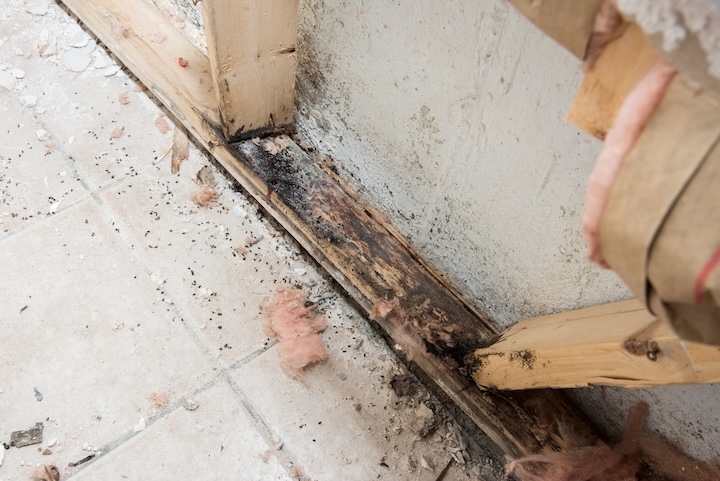
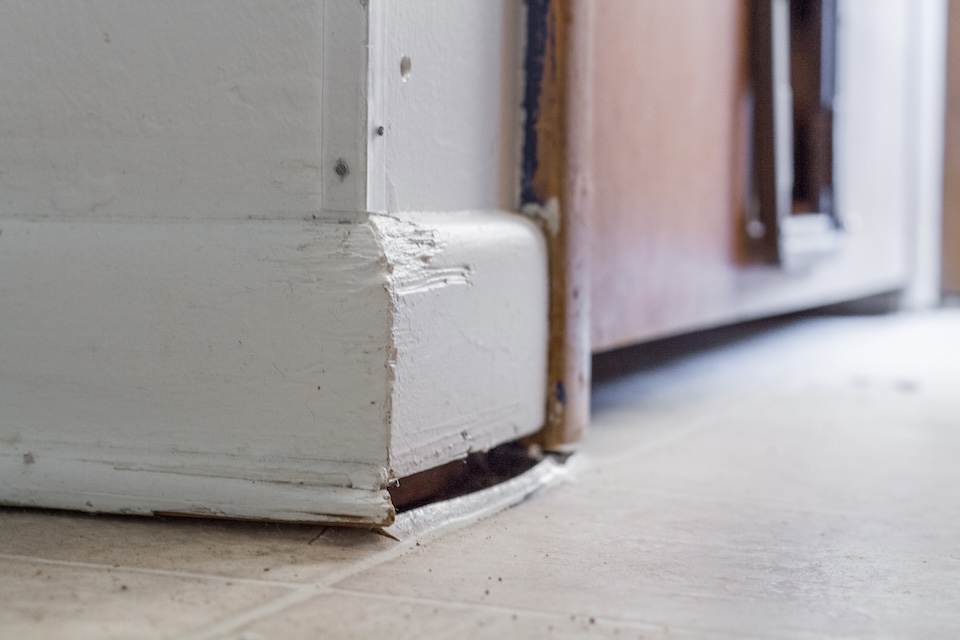
    As decay progresses, fungi break down components of the wood, leaving it soft, weak and sometimes cracked or crumbly. Damaged joists and beams may eventually no longer support the floor above properly, contributing to sagging or bouncy floors.

Our Solutions for Dry Rot Damage in [Target Location]

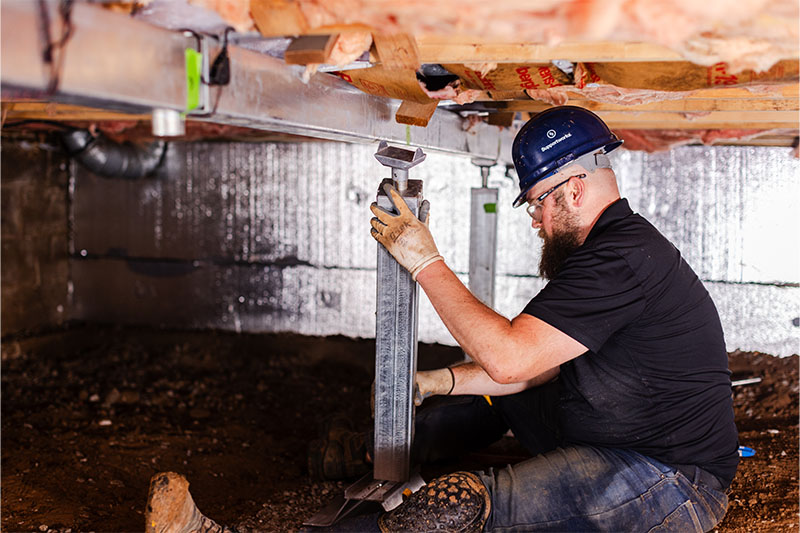
Addressing dry rot means addressing both the damaged wood and the moisture conditions that allowed decay to develop. Blackburn Foundation Repair will evaluate your crawl space, identify how far the damage extends and recommend the right combination of structural repairs and moisture-control solutions.
How It Works

How Blackburn Foundation Repair Repairs Dry Rot Damage

Benefits

Why Homeowners Choose Blackburn Foundation Repair

Body Copy Specific to Each Dealer

What To Expect

Ready to get started?

Schedule a free estimate to start your repair journey with Blackburn Foundation Repair.

Schedule your inspection

Fill out our form or give us a call to book your inspection. Share what you’ve noticed so we can send the right expert to your home.

Full home
inspection

An expert will inspect the problem area and surrounding conditions, including soil movement, drainage, structural integrity, and any related concerns.

Clear explanation
of findings

We’ll walk you through what we’re seeing in easy-to-understand language so you know the root cause of the issue, not just the symptoms.

Review recommendations

If repairs are needed, we’ll outline your options, pricing, and timeline so you can make the best decision for your home.

Schedule your free inspection—

It'll only take
a minute

Meet with a trusted expert, and get
clear answers about your home.
"*" indicates required fields

1Your Info
2Schedule Your Inspection
3Review & Submit

Customer Information

Don't just take our word for it

See what our customers have to say about our work.

Before & after photos

Check out before and after photos from some of our completed projects.

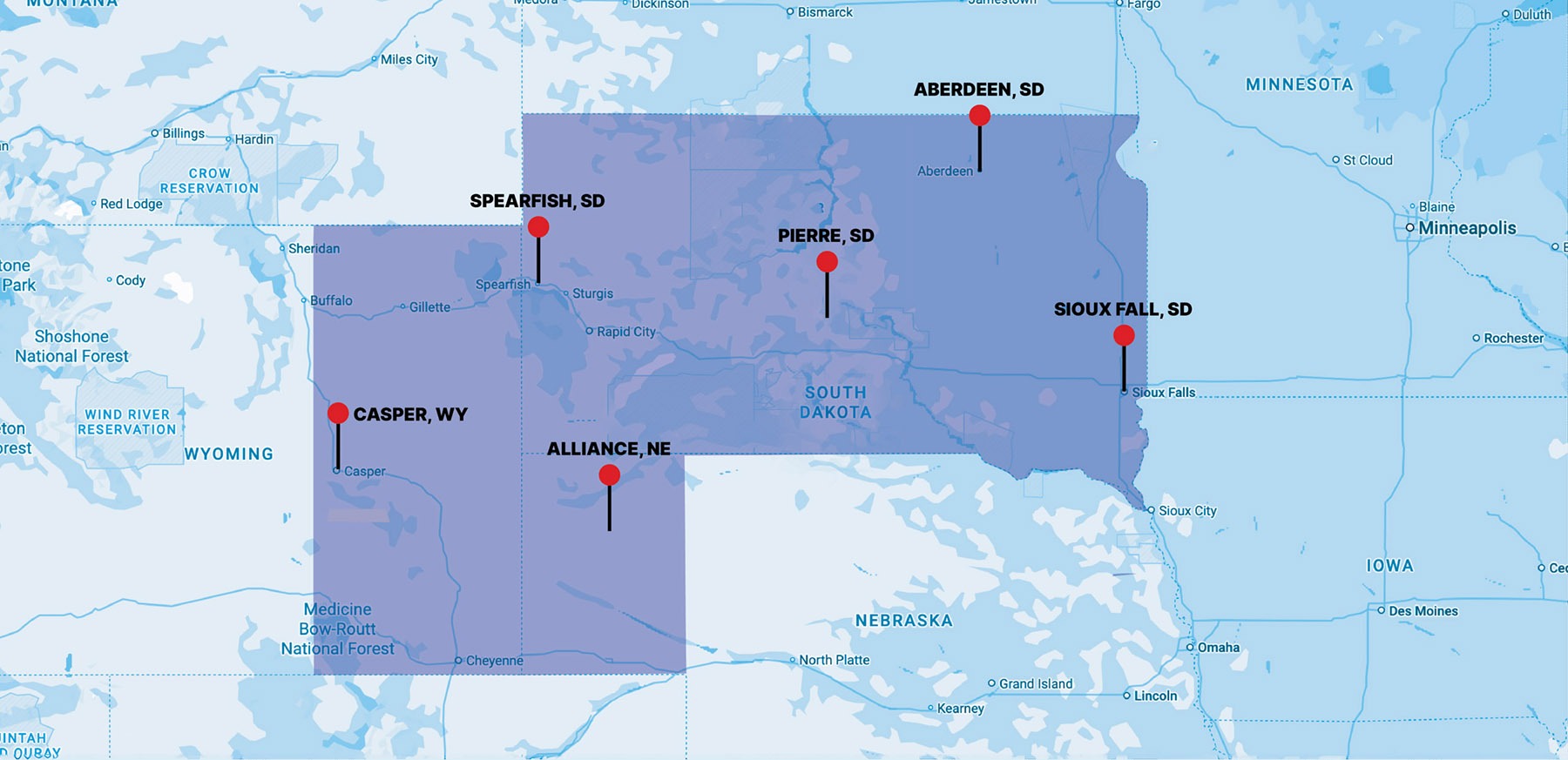
Blackburn Foundation Repair Service Area

Foundation, Basement, Crawl Space, Concrete and Radon Services Across South Dakota, Nebraska and Wyoming

Frequently Asked Questions

Will fixing the rotted wood keep it from coming back? 2026-10-07T17:13:10-05:00

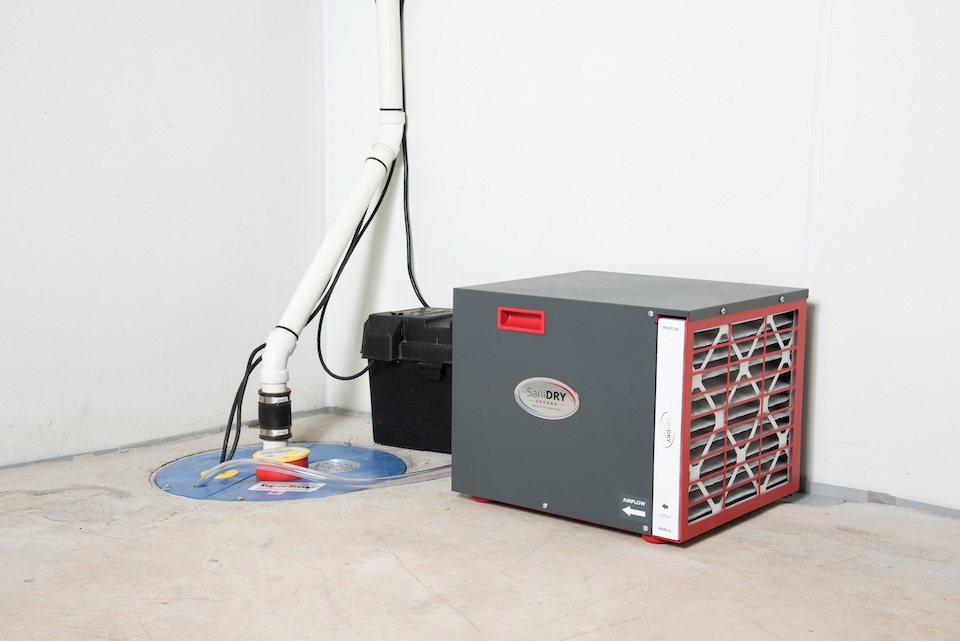
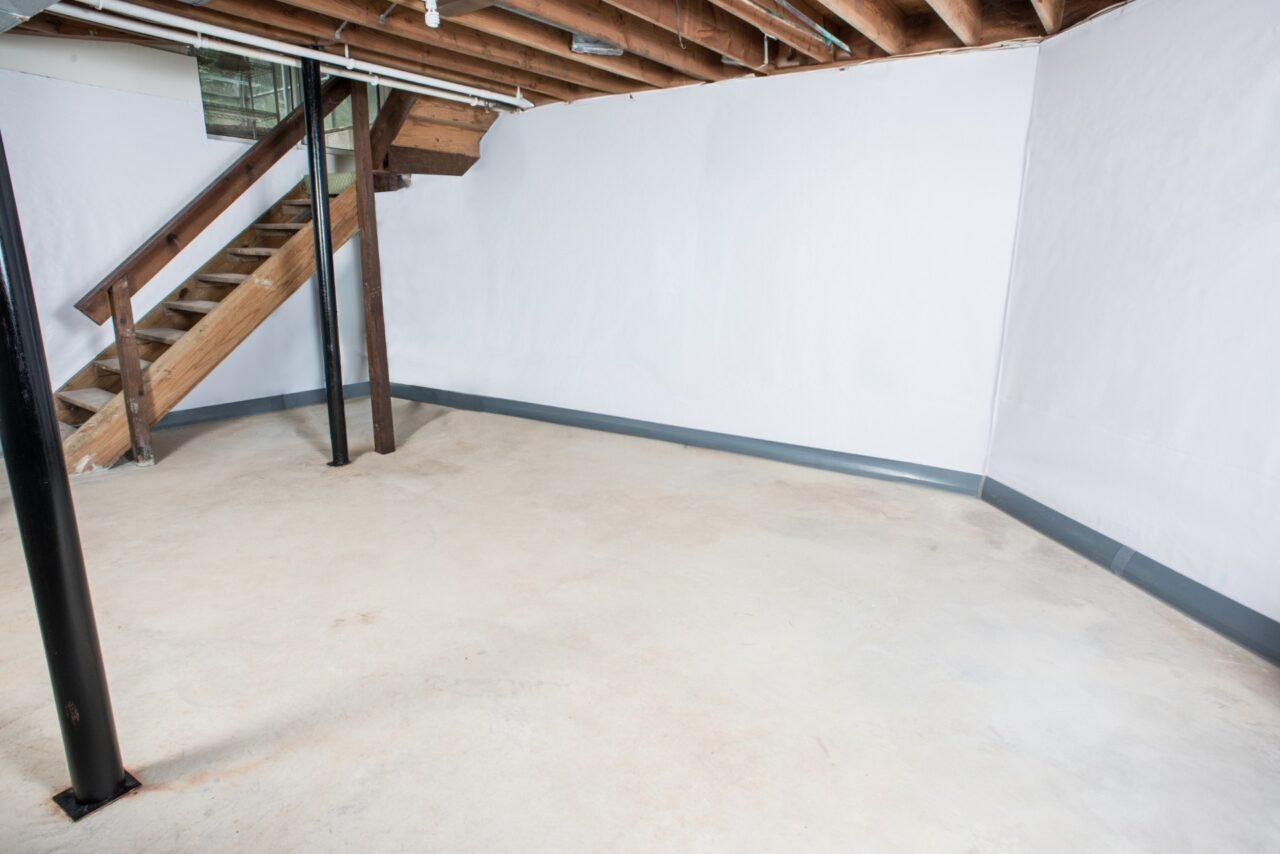
Not if the moisture problem is left unaddressed. Repairing or replacing rotted wood addresses the damage, but the crawl space also needs to stay dry enough to discourage fungal decay. Depending on the moisture source, that may call for drainage, encapsulation, a vapor barrier, dehumidification or other crawl space improvements. 

Does home insurance cover dry rot damage? 2026-10-07T17:13:10-05:00

It depends on your homeowners insurance policy and what caused the damage. Policies may treat slow wood deterioration or damage related to ongoing moisture differently from damage caused by a sudden, covered event. Check your policy and reach out to your insurance provider to determine whether your specific dry rot or wood rot damage is covered. 

How much is crawl space dry rot repair in [Target Location]? 2026-10-07T17:13:10-05:00

Dry rot repair costs differ based on how much wood is damaged, where the damage is located and what caused the moisture problem. Repair may involve reinforcing or replacing wood along with moisture-control improvements. Blackburn Foundation Repair can inspect your crawl space and identify the repairs needed for your home. 

Can rotted floor joists be repaired, or must they be replaced? 2026-10-07T17:13:10-05:00

It depends on how far the deterioration has gone and whether it can still provide adequate structural support. Some damaged floor joists can be reinforced or sistered with new lumber alongside them, while badly deteriorated joists may need to be replaced. An inspection can determine the extent of the damage and the appropriate repair. 

How fast does dry rot spread in a crawl space? 2026-10-07T17:13:10-05:00

There isn’t a single set timeline. How quickly wood decay advances depends on moisture levels, temperature, airflow, the type of fungus and the wood itself. As long as wood stays damp enough for fungal growth, decay can continue. That’s why finding and correcting the moisture source is just as important as evaluating the damaged wood.

Is dry rot the same as mold? 2026-10-07T17:13:10-05:00

No. Mold and dry rot are both fungi linked to moisture, but they impact wood differently. Mold usually grows on the surface and does not cause the same structural decay. Wood-decay fungi break down components of the wood itself, which can eventually deteriorate floor joists, beams and other structural components. 

How do I know whether my crawl space wood is rotted? 2026-10-07T17:13:10-05:00

Rotting crawl space wood may feel soft, spongy or crumbling and can appear split, shrunken or discolored. You may also notice fungal growth on the wood or sagging and bouncy floors above. Because some damage isn’t visible from the surface, a crawl space inspection can help assess how much wood has been affected. 

What is dry rot, and is it different from wood rot? 2026-10-07T17:13:10-05:00

Dry rot is a type of fungal wood decay that can compromise floor joists, beams and other structural wood. Despite its name, dry rot needs moisture to develop. “Wood rot” is a broader term for decay caused by fungi, so dry rot is a type of wood rot, not a separate problem caused by wood being too dry. 

Related pages

Service Areas

Blackburn has locations throughout South Dakota, Wyoming and Nebraska.

Resources

Access valuable resources to help keep your home healthy and your family safe.

The Thrasher Promise

At Thrasher, we pride ourselves on providing permanent solutions, and stand behind our work with industry-leading, fully transferable warranties and guarantees.

Schedule your free inspection today

Don’t let unanswered questions about your
home worry you any longer.
Go to Top