Poor Indoor Air Quality2026-10-15T14:35:09-05:00

Poor Indoor Air Quality That Starts in Your Basement

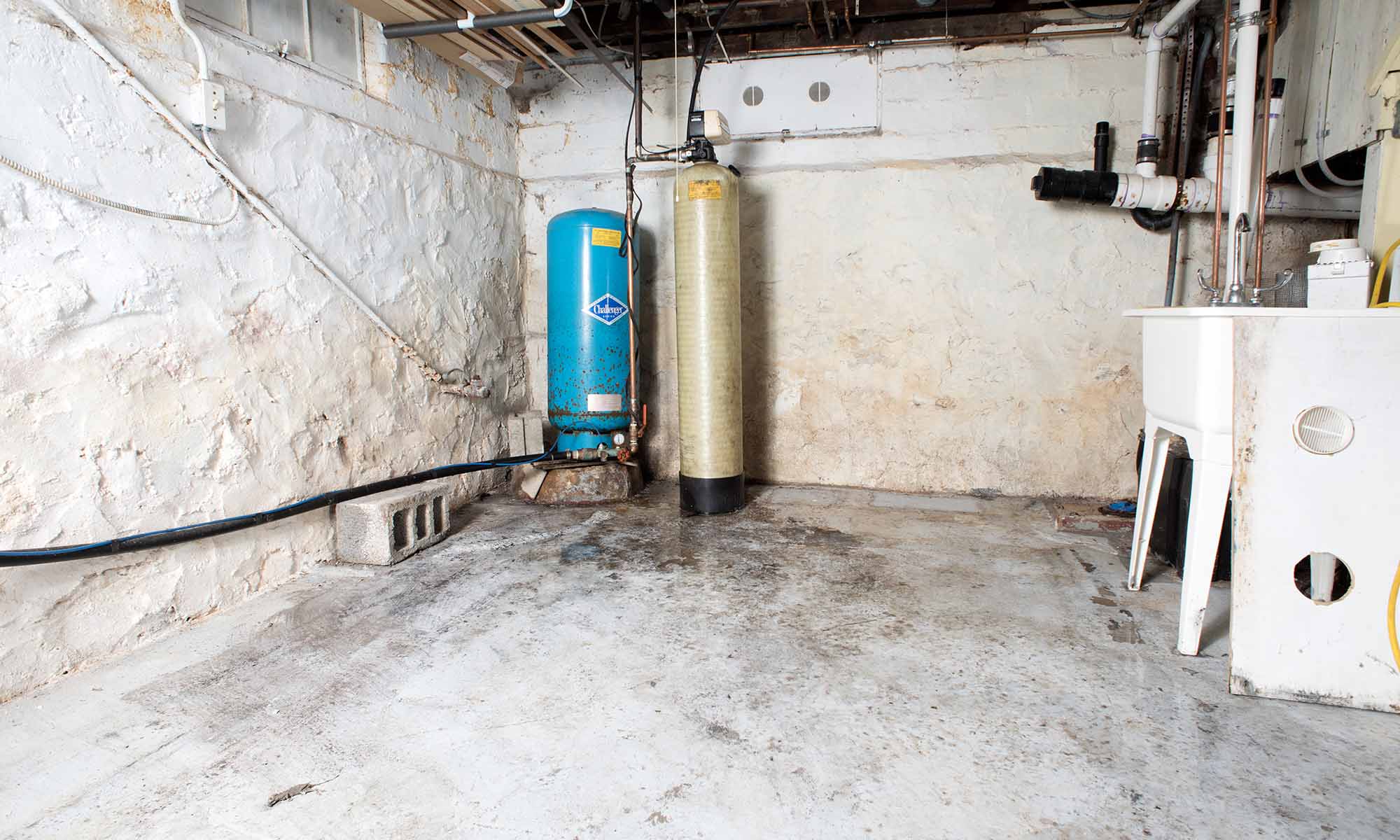
A persistent musty basement smell, damp, stuffy air or allergies that flare up at home can be signs of poor indoor air quality. Excess moisture in your basement may be part of the problem, but with the right moisture-control solution, you can improve your basement air quality and comfort.

Symptoms

What Are the Signs of Poor Indoor Air Quality?

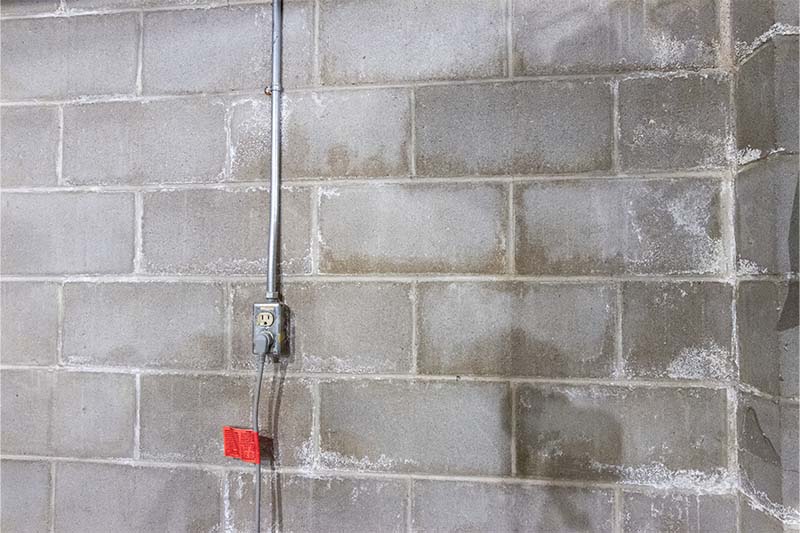
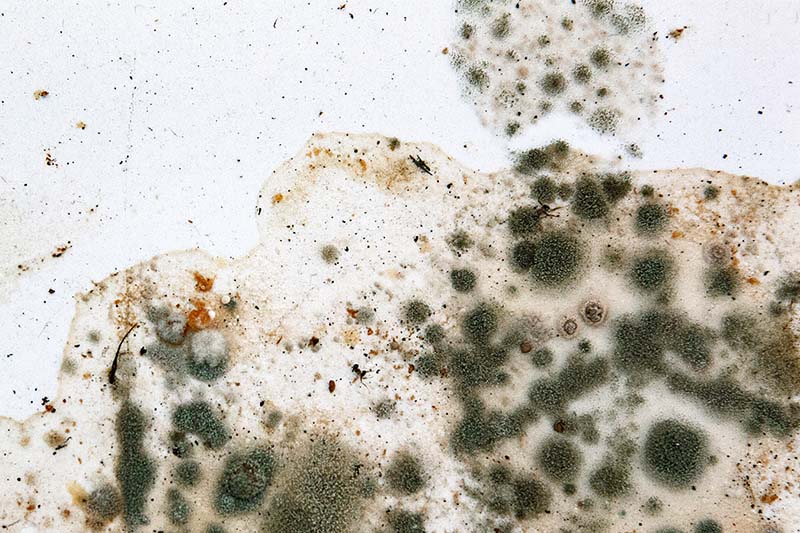
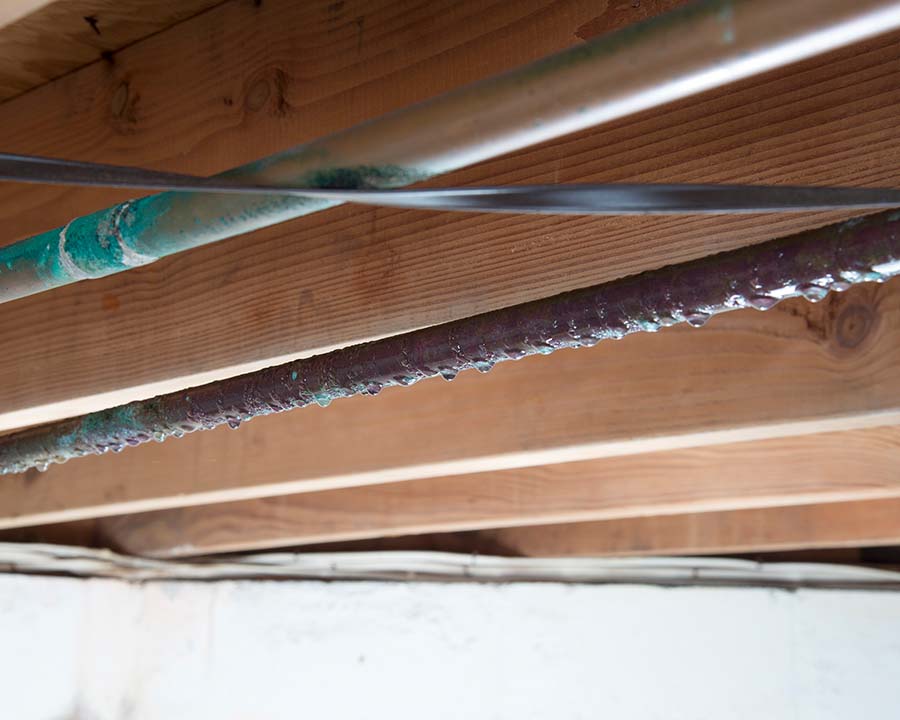
Common signs of poor indoor air quality include lingering musty odors, damp or humid air, visible mold, condensation and allergy and respiratory symptoms that appear worse at home. While these signs can have a range of causes, several may point to excess moisture or other air quality concerns in your basement. Some indoor pollutants can also irritate the eyes, nose, throat and lungs, or they may aggravate asthma and allergy symptoms. If you're questioning the air in your home, start by looking for these common signs in and around your basement:

Causes

What Causes Poor Indoor Air Quality in a Basement?

Poor basement air quality is typically driven by excess moisture and humidity, mold and mildew, dust and allergens or pollutants entering from the soil. Because basements sit partly or entirely underground, they can be especially vulnerable to water intrusion and high humidity. Cracks and other foundation openings can also provide pathways for soil gases such as radon to enter the home.

  • Moisture & High Humidity

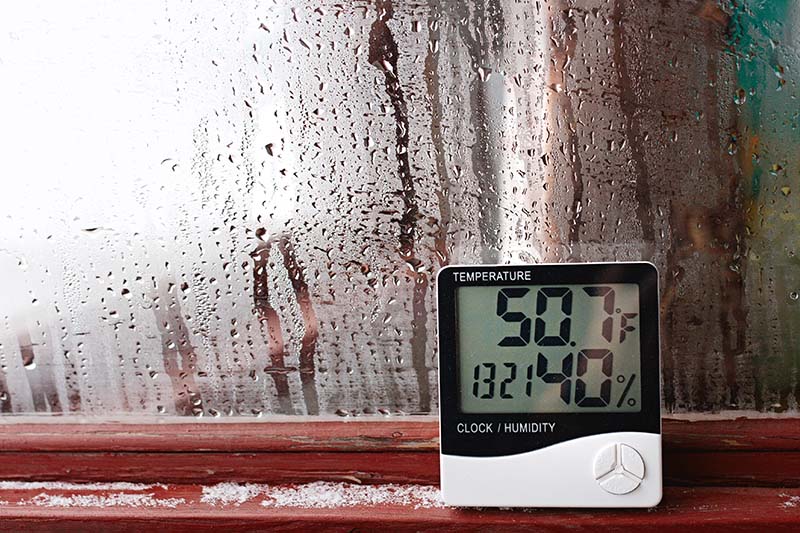
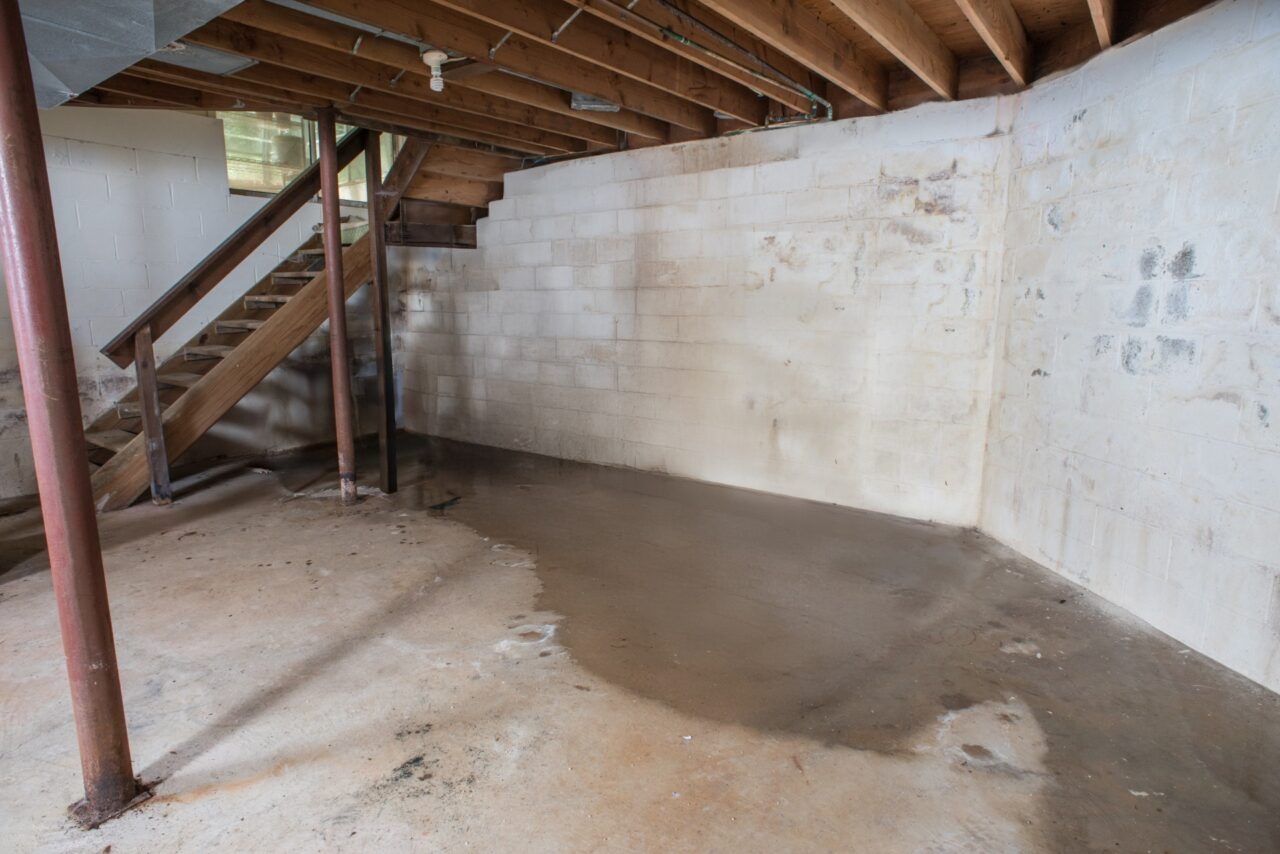
    Water intrusion and high basement humidity can leave the space feeling cool and damp and produce conditions that contribute to poor basement air quality.

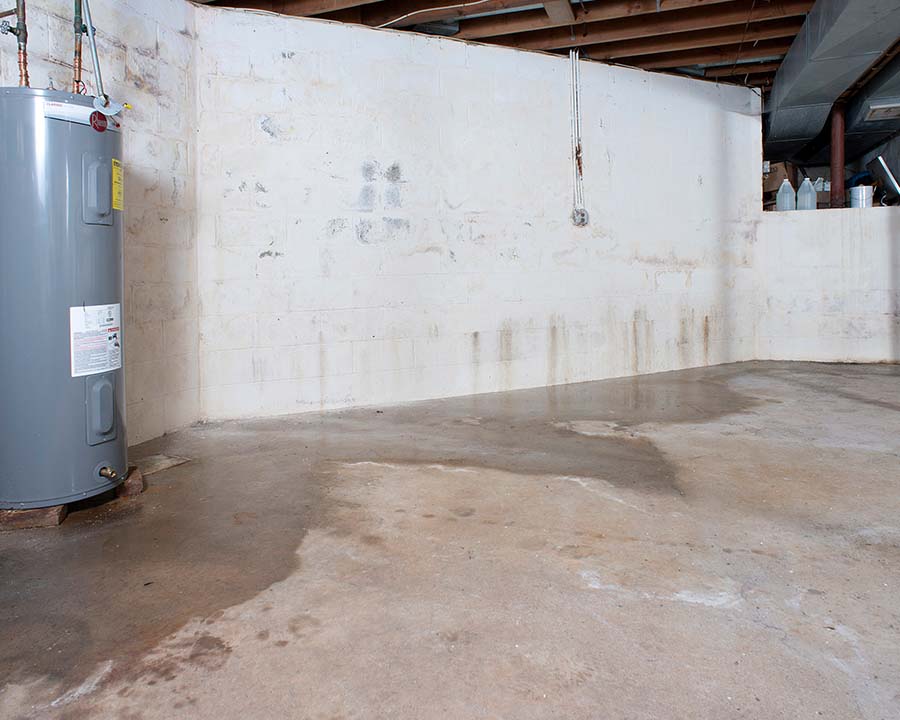
    Moisture can enter through foundation walls and floors, cracks or other weak points. Managing the source of that moisture and maintaining appropriate humidity levels are important steps toward a drier, healthier basement environment.

  • Mold & Mildew

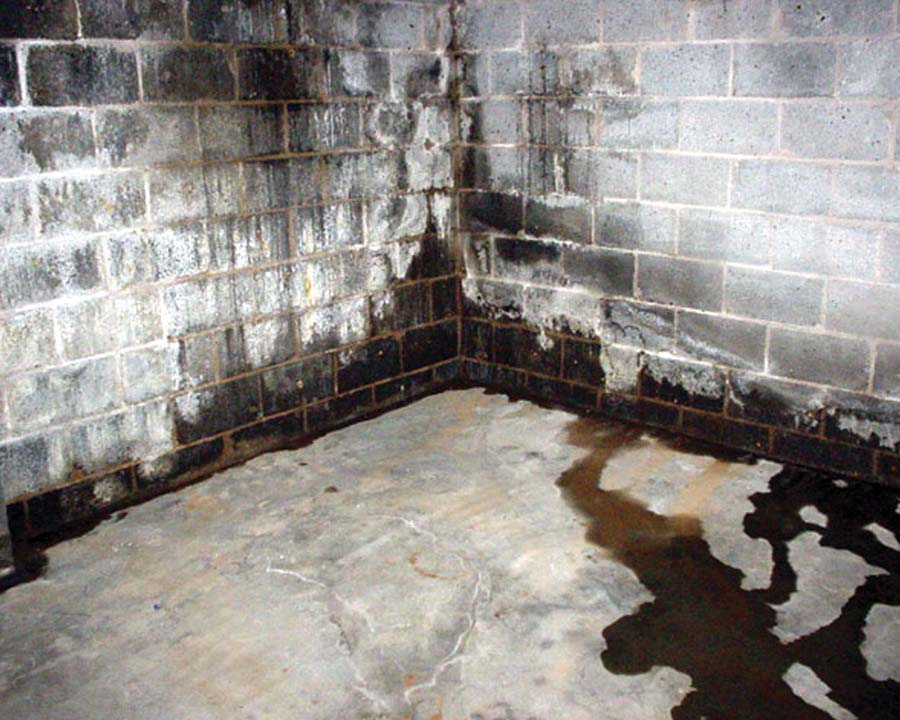
    When moisture is present, mold and mildew can grow on damp building materials and add to musty odors and poor indoor air quality.

    Mold needs moisture to grow, which is why resolving water intrusion and excess humidity is central to preventing recurring problems. Just cleaning visible mold may not address the moisture conditions that allowed it to grow in the first place.

  • Dust & Allergens

    Dust, mold spores and other airborne particles can build up in a basement and move into other areas of the home.

    Damp conditions can also encourage common indoor allergens, including dust mites. Managing basement moisture and humidity can help make the environment less welcoming for some of these allergens.

  • Soil Gases & Radon

    Gases from the soil beneath and around your home can enter the basement through cracks, gaps and other openings in the foundation.

    Radon is a naturally occurring radioactive gas that can enter homes from the ground. It cannot be seen or smelled. Testing is the only way to know your home’s radon level, and elevated radon calls for appropriate radon-mitigation measures.

How Basement Air Can Affect Your Whole Home

Did You Know? According to the U.S. Environmental Protection Agency (EPA), levels of some indoor air pollutants can be two to five times higher than outdoor levels.
  • Air Enters at the Lowest Levels

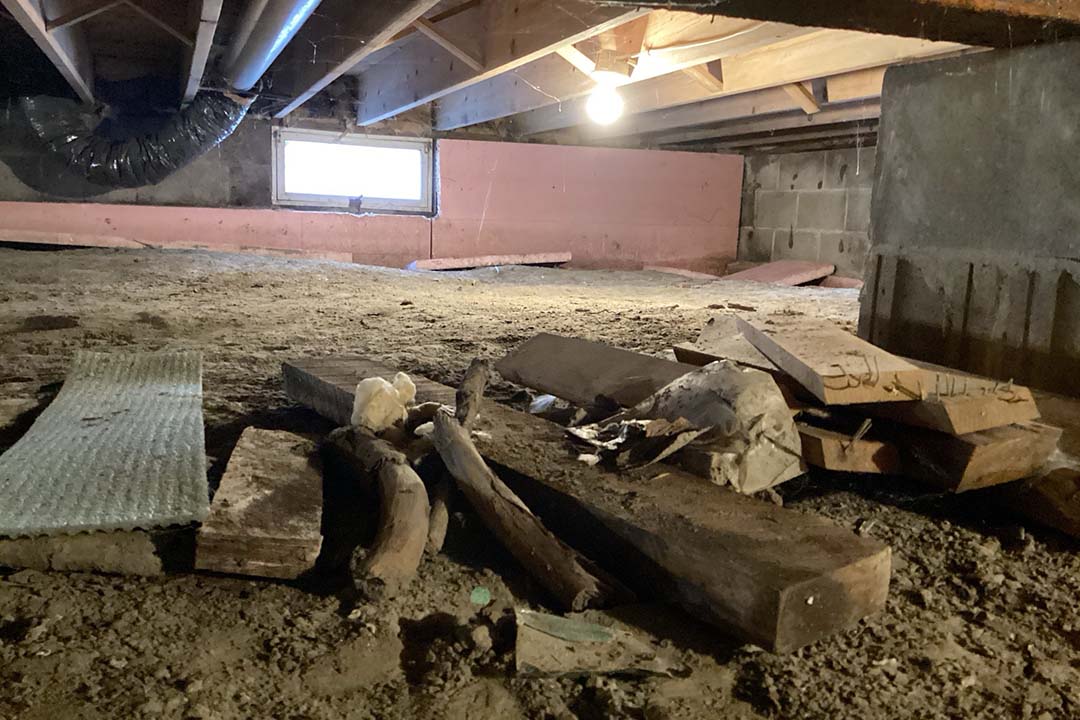
    Minor cracks, gaps and openings around the basement or foundation can allow outside air and soil gases to enter your home. If the basement is damp, that incoming air may also meet excess moisture, mold and other indoor air quality concerns.

  • Warm Air Rises Through Your Home

    As warmer air rises and exits through upper levels of the house, differences in air pressure can bring replacement air in through lower areas. This natural movement of air is commonly known as the stack effect.

  • Basement Air Can Travel Upstairs

    As air moves upward, odors, humidity and airborne particles from the basement can be carried with it. That means improving conditions in the basement can help address musty odors, excess humidity and other air-quality concerns well beyond the basement itself.

How Blackburn Foundation Repair Can Improve Basement Air Quality

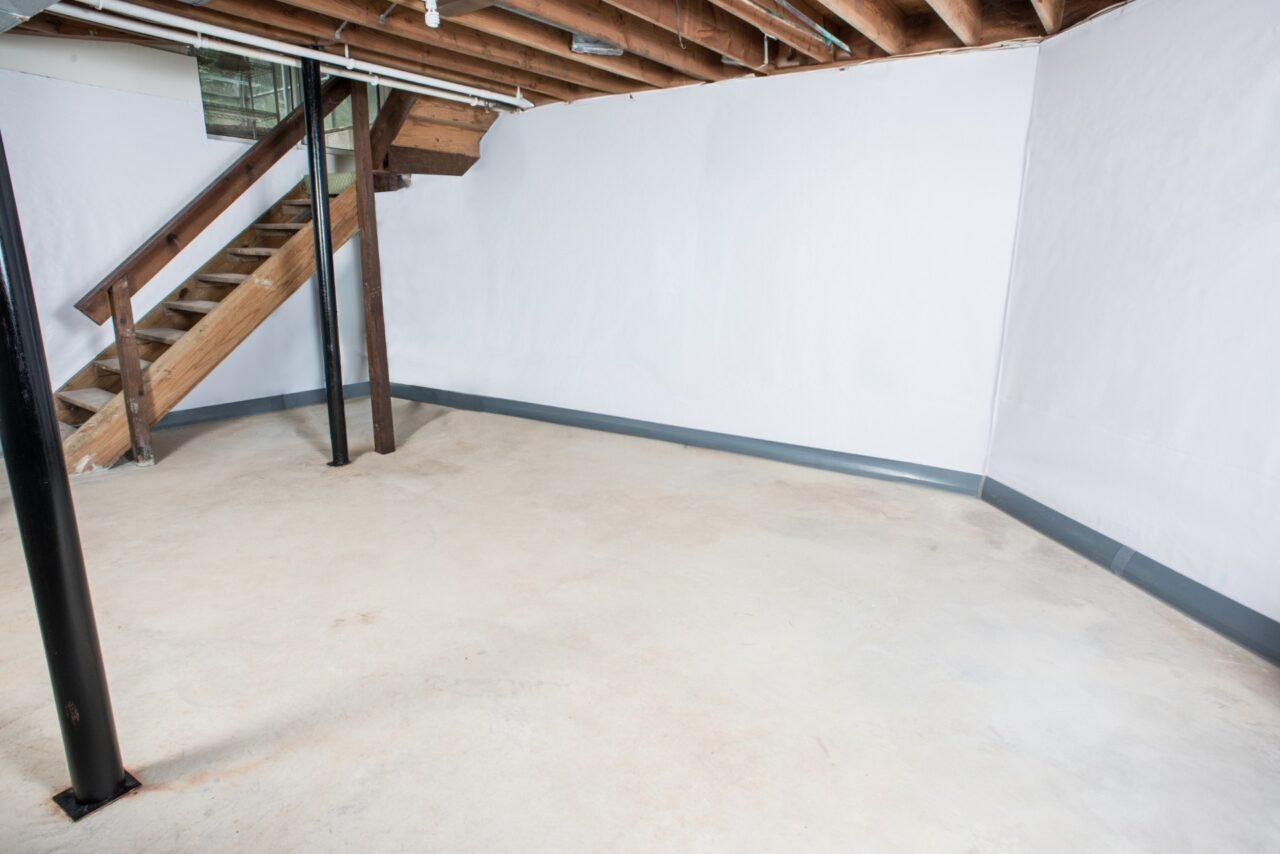
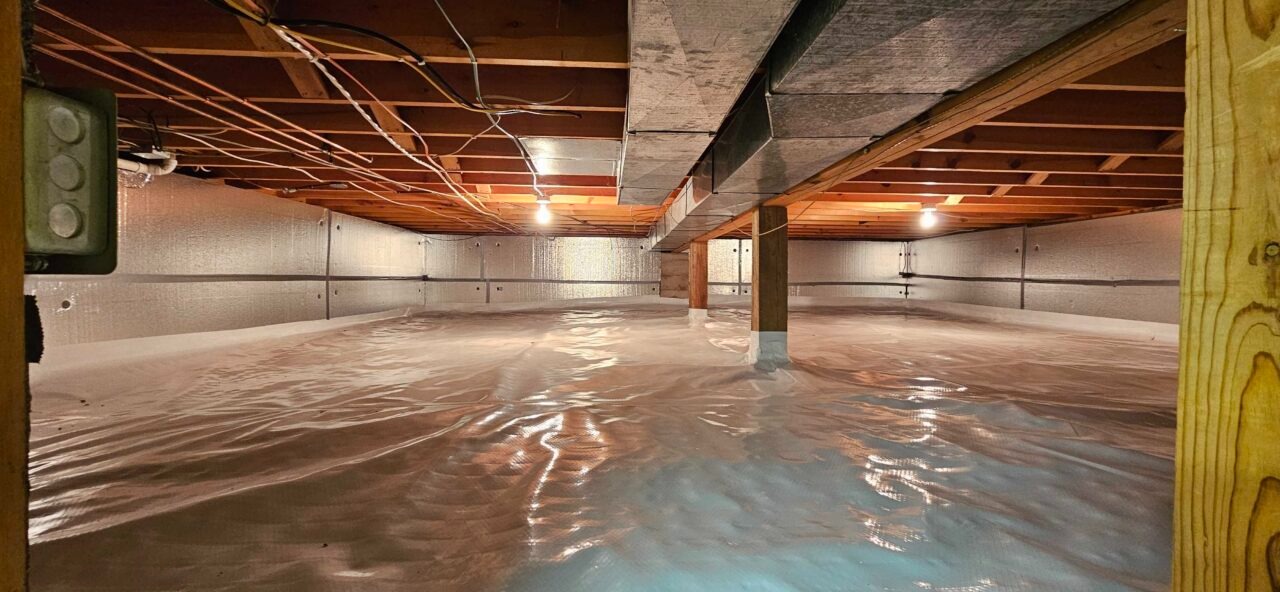
For homeowners in Sioux Falls, improving basement air quality begins with controlling the conditions that create damp, musty air. Blackburn Foundation Repair can locate sources of excess moisture and recommend solutions such as basement waterproofing, drainage, dehumidification, sump pumps and vapor barriers to help create a drier, more comfortable basement.

What Can You Do to Help Prevent Poor Basement Air Quality?
Benefits

Why Homeowners Trust Blackburn Foundation Repair  

Body Copy Specific to Each Dealer

What To Expect

Ready to get started?

Schedule a free estimate to start your repair journey with Blackburn Foundation Repair.

Schedule your inspection

Fill out our form or give us a call to book your inspection. Share what you’ve noticed so we can send the right expert to your home.

Full home
inspection

An expert will inspect the problem area and surrounding conditions, including soil movement, drainage, structural integrity, and any related concerns.

Clear explanation
of findings

We’ll walk you through what we’re seeing in easy-to-understand language so you know the root cause of the issue, not just the symptoms.

Review recommendations

If repairs are needed, we’ll outline your options, pricing, and timeline so you can make the best decision for your home.

Schedule your free inspection—

It'll only take
a minute

Meet with a trusted expert, and get
clear answers about your home.

"*" indicates required fields

1Your Info
2Schedule Your Inspection
3Review & Submit

Customer Information

Don't just take our word for it

See what our customers have to say about our work.

Before & after photos

Check out before and after photos from some of our completed projects.

Blackburn Foundation Repair
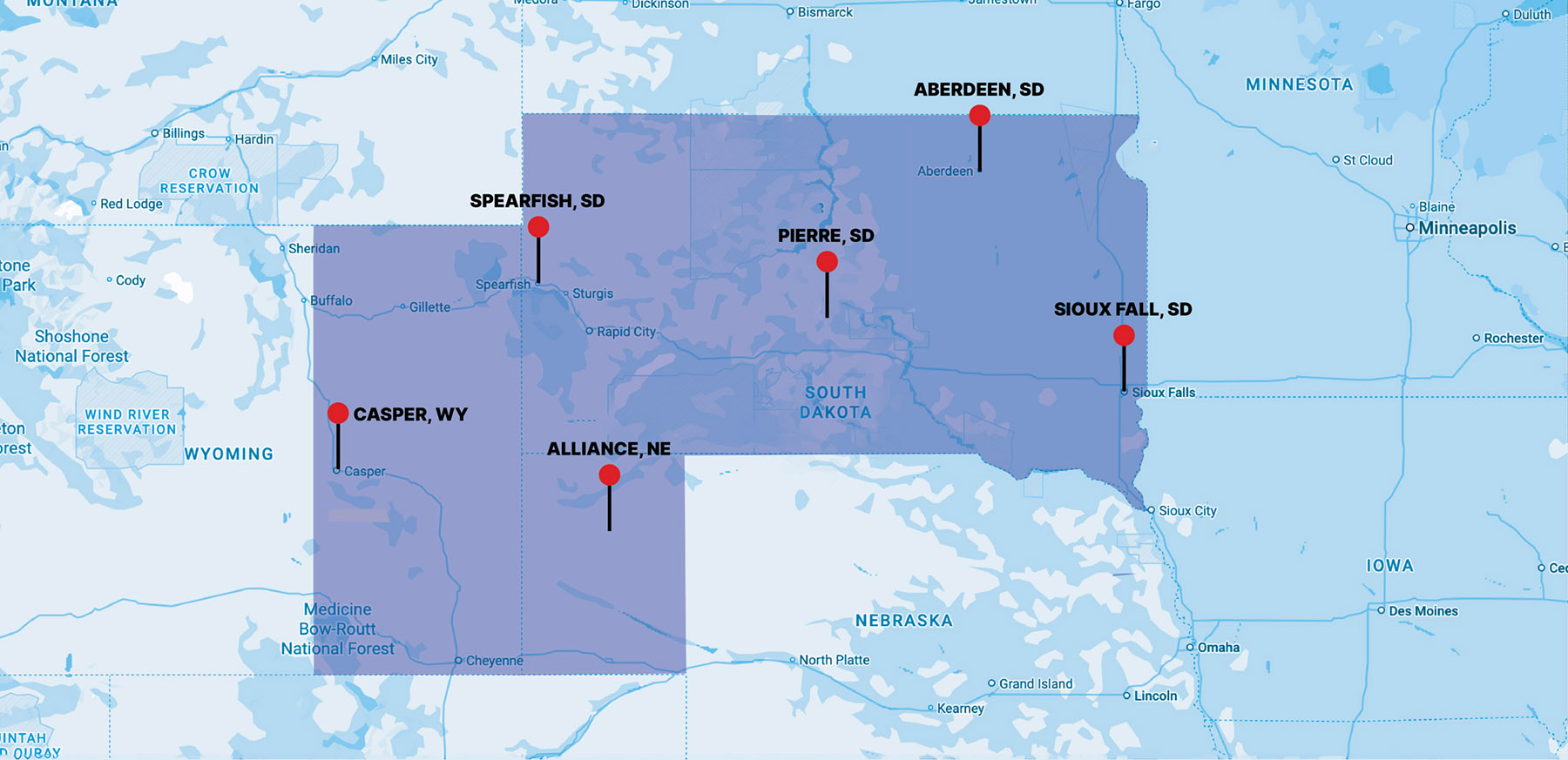
Service Area

Foundation, Basement, Crawl Space, Concrete and Radon Services Across South Dakota, Nebraska and Wyoming

Frequently Asked Questions

Will a dehumidifier fix my basement air quality, or do I need waterproofing? 2026-10-14T10:49:47-05:00

A dehumidifier can improve basement air quality when excess humidity is the problem, but it won’t fix active water intrusion. If high humidity is caused by ongoing seepage, foundation leaks or groundwater, the source of the moisture may also need to be resolved. A professional inspection can help determine whether dehumidification, waterproofing or some combination of solutions is the right approach. 

Should I test my basement for radon?2026-10-08T13:08:48-05:00

The EPA recommends radon testing for every home. Radon is a naturally occurring radioactive gas that can get in through cracks and gaps in contact with the soil, and it has no color, odor or taste. The only way to determine your home’s radon level is through testing.

How do I get rid of the musty smell in my basement for good? 2026-10-08T13:06:50-05:00

Getting rid of a musty basement smell for good means addressing its source, not masking it with air fresheners or ventilation alone. Start by determining whether excess humidity, water intrusion, condensation or mold is behind the odor. The right long-term solution depends on where that moisture is coming from. 

Is basement mold dangerous to my health? 2026-10-08T13:06:22-05:00

Basement mold can impact indoor air quality and may cause health effects for some people. According to the EPA, mold exposure can cause allergic reactions, asthma attacks in people with asthma who are allergic to mold and irritation of the eyes, skin, nose, throat and lungs. Controlling moisture is central to controlling mold growth. 

What are the signs of poor indoor air quality from a basement? 2026-10-08T13:05:50-05:00

Common signs of poor indoor air quality can include a lingering musty basement smell, damp or stale air, visible mold, condensation and asthma or allergy symptoms that feel worse indoors. These signs can have several causes, so locating and correcting underlying moisture problems is a critical first step. 

Can a musty basement affect the air quality in the rest of my house? 2026-10-08T13:05:24-05:00

Yes. Air naturally flows from the lower levels of a home to the upper levels through a process commonly called the stack effect. If your basement has excess moisture, musty odors, mold or airborne particles, those conditions can influence the air and comfort throughout your home. 

Related pages

Service Areas

Blackburn has locations throughout South Dakota, Wyoming and Nebraska.

Resources

Access valuable resources to help keep your home healthy and your family safe.

The Thrasher Promise

At Thrasher, we pride ourselves on providing permanent solutions, and stand behind our work with industry-leading, fully transferable warranties and guarantees.

Schedule your free inspection today

Don’t let unanswered questions about your
home worry you any longer.
Go to Top