Push Pier Systems2026-10-16T11:11:38-05:00

Commercial Push Pier Systems in Sioux Falls

Blackburn Foundation Repair installs commercial push pier systems to stabilize and lift settling foundations for commercial and industrial properties.

What Is a Commercial Push Pier System?

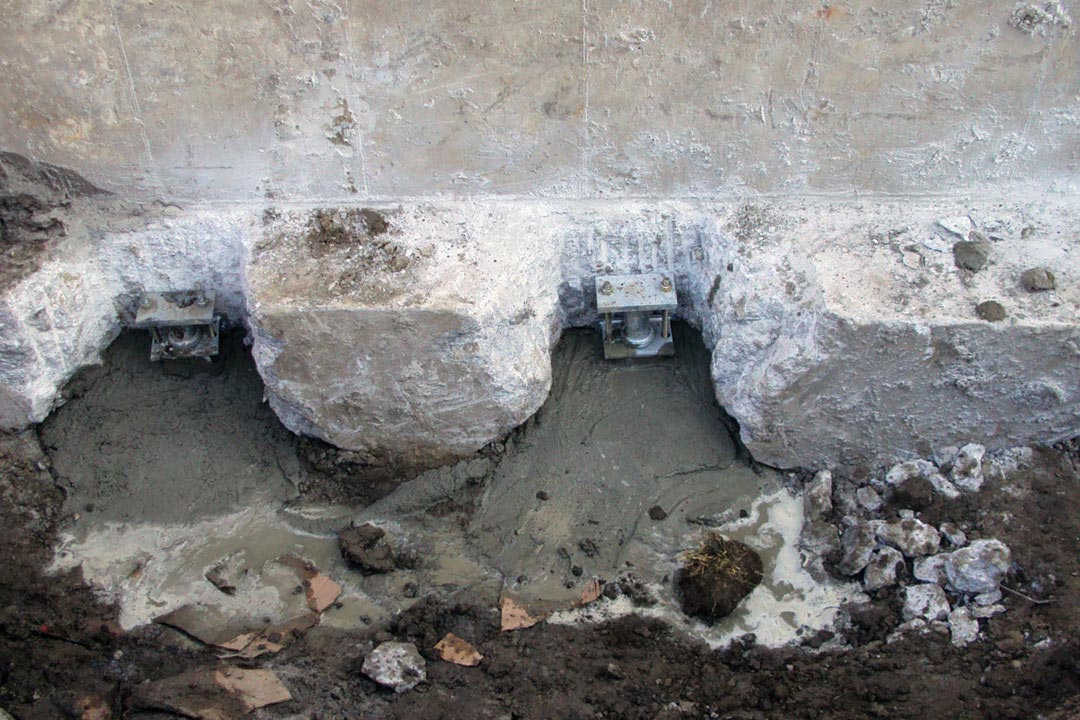
Commercial push piers are steel foundation supports driven hydraulically through unstable soil to reach competent bearing soil or bedrock. The piers connect to the foundation using engineered brackets designed to transfer structural loads.

Each pier is effectively load-tested as it is installed to verify capacity. Once every pier has reached the required resistance, the system is secured to deliver permanent foundation support. Where commercial foundation settlement has caused a loss of elevation, a controlled lift may also be attempted when conditions allow.

How Push Piers Stabilize and Lift a Commercial Foundation

The weight of the structure provides the reaction force used to hydraulically drive steel pier sections through unstable soil. Sections are added until the required resistance is reached, so installation depth is determined by site conditions rather than a predetermined depth. Every pier is effectively load-tested during installation to verify capacity. Once the piers are set, the building’s load is transferred to competent strata, delivering permanent stabilization. Where commercial foundation settlement has led to a loss of elevation, the system may also be used to recover elevation when conditions allow.
Blackburn Foundation Repair Commercial Push Pier Solutions

  • Versatile Foundation Support for Commercial Buildings

    Model 288 Push Pier System

    The Model 288 Push Pier System provides deep foundation support for a wide range of established commercial structures. Its sleeved pier design helps improve resistance to bending near the foundation, making it a versatile choice when project loads and foundation conditions fall within the system’s design requirements.

    • 2.875-inch diameter steel pier tube
    • External sleeve strengthens the upper portion of the pier
    • Hydraulically driven using the structure as reaction force
    • Installation depth set by required resistance and subsurface conditions
    • Each pier is load-tested as it is installed
    • Suitable for a range of commercial foundation configurations and project requirements
  • Greater Capacity for Heavier Structural Loads

    Model 350 Push Pier System

    For commercial projects with greater structural demands, the Model 350 Push Pier System provides a larger-diameter foundation support option. The system widens the range of loads push piers can address while retaining the installation advantages of a hydraulically driven deep foundation system.

    • 3.50-inch diameter steel pier tube
    • Engineered for greater structural demands than smaller push pier systems
    • Carries foundation loads to competent bearing strata
    • Driven to required resistance rather than a predetermined depth
    • Installation itself verifies pier capacity
    • System selection and spacing can be engineered for project-specific loads
  • High-Capacity Support for Demanding Commercial Projects

    Model 400 Push Pier System

    The Model 400 Push Pier System is built for demanding commercial foundation applications that require higher load capacities. Its larger steel pier sections and heavy-duty foundation connection offer a high-capacity option on projects where structural loads surpass what smaller push pier systems can handle.

    • 4-inch diameter steel pier tube
    • Designed for high-capacity commercial applications
    • Up to 39,000-lb. allowable system capacity with specified bracket and design conditions
    • Carries structural loads beyond weak or compressible soils
    • Capacity confirmed during installation
    • Engineered around project loads, foundation conditions and subsurface conditions

Our Push Pier Installation Process

Push Piers vs. Helical Piers: Choosing the Right Deep Foundation Solution

Push piers rely on an existing structure’s weight as resistance during installation, which makes them well suited for many heavier existing buildings experiencing foundation settlement. They are hydraulically driven until the required resistance is reached.

Helical piers are advanced into the ground with rotational torque and don’t rely on structural weight for installation. That makes them well suited for lighter structures, additions and new construction. Which system is appropriate ultimately comes down to structural loads, foundation configuration, subsurface conditions and project requirements.


Commercial Push Pier Installation You Can Trust in Sioux Falls

Specifying the right push pier system starts with understanding the structure, foundation loads and subsurface conditions. Blackburn Foundation Repair reviews the project requirements and works with the project team to determine the right push pier system, installation criteria and stabilization approach.

Contact Blackburn Foundation Repair to review your commercial foundation repair project in Sioux Falls and get a solution engineered for the conditions of your structure and site.

Don't just take our word for it

See what our customers have to say about our work.

Before & after photos

Check out before and after photos from some of our completed projects.

Blackburn Foundation Repair
Service Area

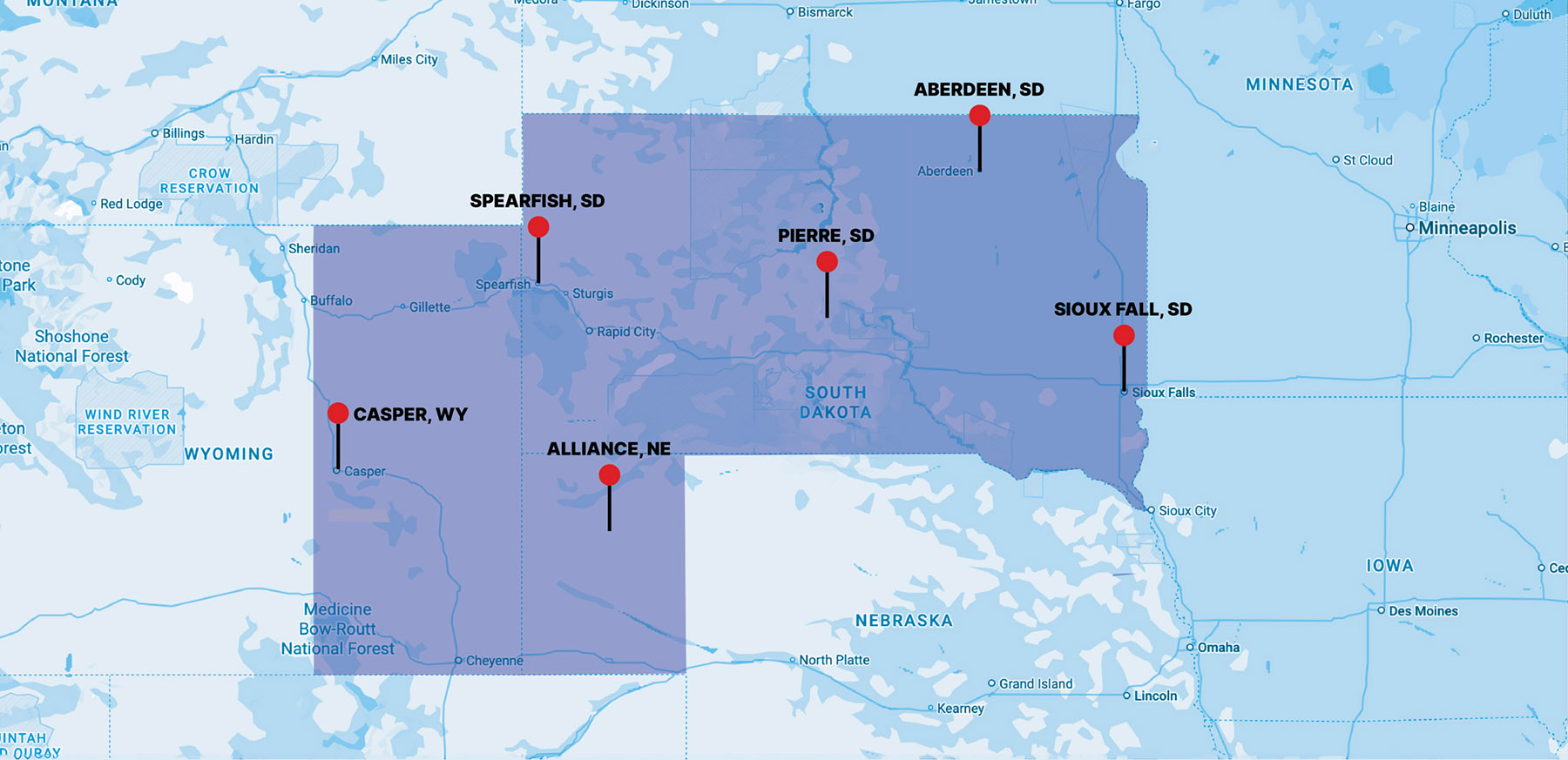
Foundation, Basement, Crawl Space, Concrete and Radon Services Across South Dakota, Nebraska and Wyoming

Commercial Push Pier Systems FAQs

Do push pier projects require a structural engineer or a permit? 2026-10-06T09:57:02-05:00

Requirements differ by project and local jurisdiction. Commercial push pier projects usually involve engineered design or review to set loads, pier locations, capacities and installation criteria. Permits and inspections can also be required. Blackburn Foundation Repair can help determine the engineering, documentation and permitting requirements that apply to your project.

What do commercial push piers cost in Sioux Falls? 2026-10-06T09:56:18-05:00

Commercial push pier costs vary based on how many piers are needed and what type, required capacities, installation depths, foundation layout, access and excavation requirements. Mobilization, site constraints, engineering, permitting and restoration can also affect total project cost. Blackburn Foundation Repair can evaluate the structure and project requirements to develop a scope and estimate for the recommended system. 

Are push piers permanent, and how long do they last? 2026-10-06T09:55:39-05:00

Push piers are built as a permanent foundation stabilization solution. Steel components are engineered for long-term structural support, but service life depends on the system, site conditions, corrosion potential and installation. Project-specific specifications should address any additional corrosion protection or durability requirements for the site.

Will push pier installation disrupt operations at my facility?2026-10-06T09:55:00-05:00

It will depend on the pier locations, access, excavation requirements and the facility itself. Push piers can often be installed with relatively compact equipment and localized excavation, which can help reduce disruption compared with more extensive foundation work. Blackburn Foundation Repair can review access and sequencing requirements when planning the project. 

How deep do push piers go, and do they have to reach bedrock? 2026-10-06T09:54:18-05:00

There’s no standard depth for a push pier. Pier sections are advanced until the required installation resistance is achieved, which may happen in competent soil or at bedrock. Actual depths can vary across a site as subsurface conditions change, so push piers do not always need to reach bedrock to provide adequate support. 

Push piers or helical piers — which is right for my building? 2026-10-06T09:53:39-05:00

The right system depends on structural loads, foundation configuration, subsurface conditions and whether you’re dealing with an existing or new structure. Push piers are often suited to heavier existing structures because installation uses the building as reaction force. Helical piers don’t need structural weight for installation, which makes them useful for lighter structures, additions and new construction.

How do push piers work on a commercial foundation? 2026-10-06T09:52:58-05:00

Push piers stabilize a commercial foundation by moving the building’s load from unstable soils to competent load-bearing soil or bedrock. Steel pier sections are hydraulically driven to the required resistance and attached to the existing foundation with steel brackets, forming a permanent deep foundation support system. 

Related pages

Service Areas

Blackburn has locations throughout South Dakota, Wyoming and Nebraska.

Resources

Access valuable resources to help keep your home healthy and your family safe.

The Thrasher Promise

At Thrasher, we pride ourselves on providing permanent solutions, and stand behind our work with industry-leading, fully transferable warranties and guarantees.

Schedule your free inspection today

Don’t let unanswered questions about your
home worry you any longer.
Go to Top