What Is Cellular Concrete?
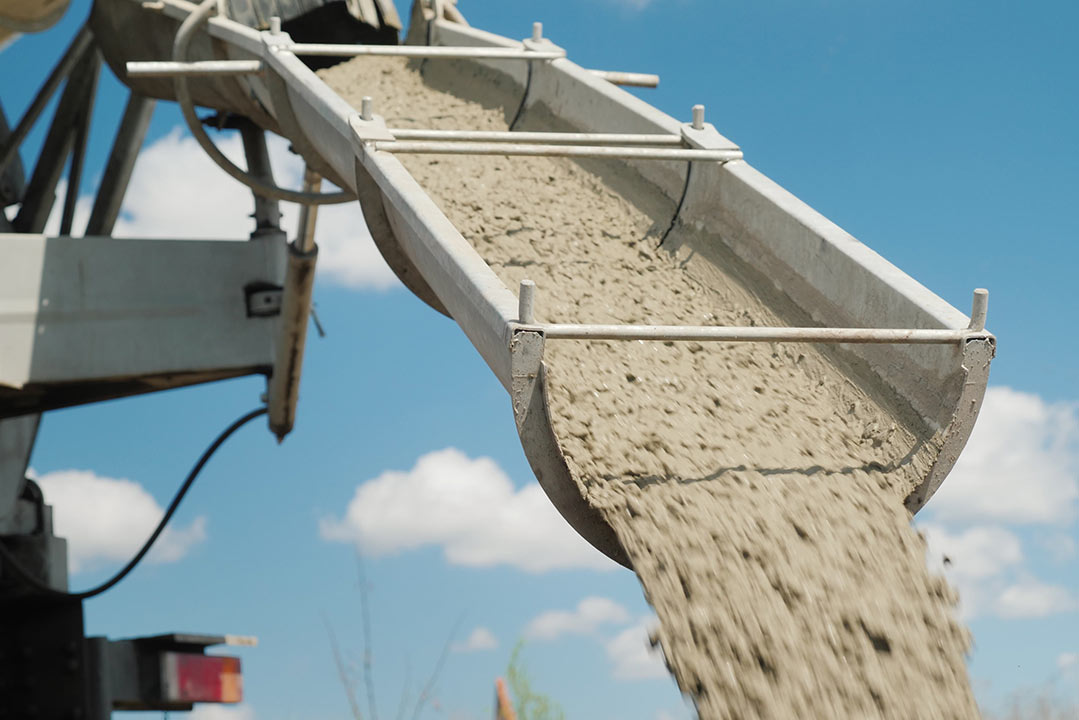
Cellular concrete is a lightweight, cement-based material made with cement, water and preformed foam. The foam substitutes for the stone aggregate used in conventional concrete, introducing millions of stable air cells that reduce the material's density.
The result is a lightweight cellular concrete that's pumpable, self-leveling and self-compacting, making it well suited to a range of commercial and infrastructure applications.

When to Use Cellular Concrete on a Commercial Project
Cellular concrete is often considered when a project needs fill but conventional aggregate creates problems with weight, compaction, access or placement. Because it’s lighter than traditional fill, cellular concrete adds less weight to the ground and nearby structures. It also flows into place without mechanical compaction.
Its pumpability also makes it practical for remote or confined areas, such as abandoned pipelines, tanks, tunnels, mine voids and annular spaces that conventional equipment cannot easily reach.

Our Cellular Concrete Solutions
For Embankments, Grade Raises & Large-Volume Fill
Lightweight Fill & Load Reduction
Low-density cellular concrete reduces the weight added to soft or unstable ground, making it useful for embankments, grade raises and other large-volume fills. It can also be pumped across challenging sites, providing an efficient way to build up grades without bringing in and compacting large quantities of aggregate.

For Bridge Approaches, Abutments & Wing Walls
Bridge Approach & Abutment Backfill
Settlement at bridge approaches can leave uneven transitions between the roadway and bridge structure. Lightweight cellular concrete lowers the weight placed on the soils below while also cutting pressure against abutments and wingwalls, which makes it useful for new bridge construction, approach reconstruction and rehabilitation projects.

For MSE Walls & Retaining Systems
MSE Wall & Retaining Wall Backfill
The weight of conventional backfill can put additional pressure on retaining walls and the soils supporting them. Cellular concrete is a lighter alternative that reduces those loads and flows into place without heavy compaction equipment working directly behind the wall.
For Tunnels, Casings, Culverts & Inaccessible Voids
Void Fill & Annular Space Grouting
Cellular concrete can be pumped into annular spaces, tunnels, casings, liners, culverts and irregularly shaped voids that conventional fill can’t easily reach. Its flowable consistency helps it move around obstructions and through confined spaces from a remote placement point. For voids beneath slabs and pavement, see commercial Polylevel injection.
For Abandoned Infrastructure & Underground Voids
Pipeline, Tank & Mine Abandonment
Decommissioned pipelines, underground storage tanks, shafts and mine voids often need to be permanently filled before closure. Cellular concrete can be pumped into these enclosed spaces from the surface or another accessible location, making it practical for filling large underground volumes without hauling conventional fill into the void.

For Pipelines, Conduits & Buried Utilities
Utility Trench Fill & Pipe Bedding
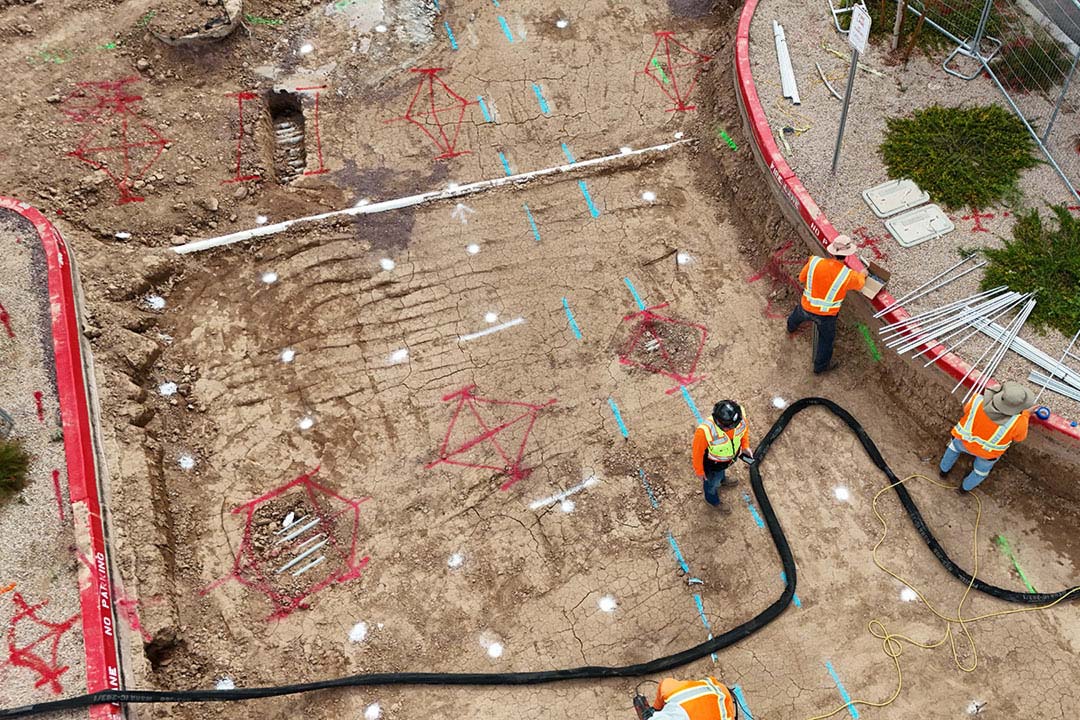
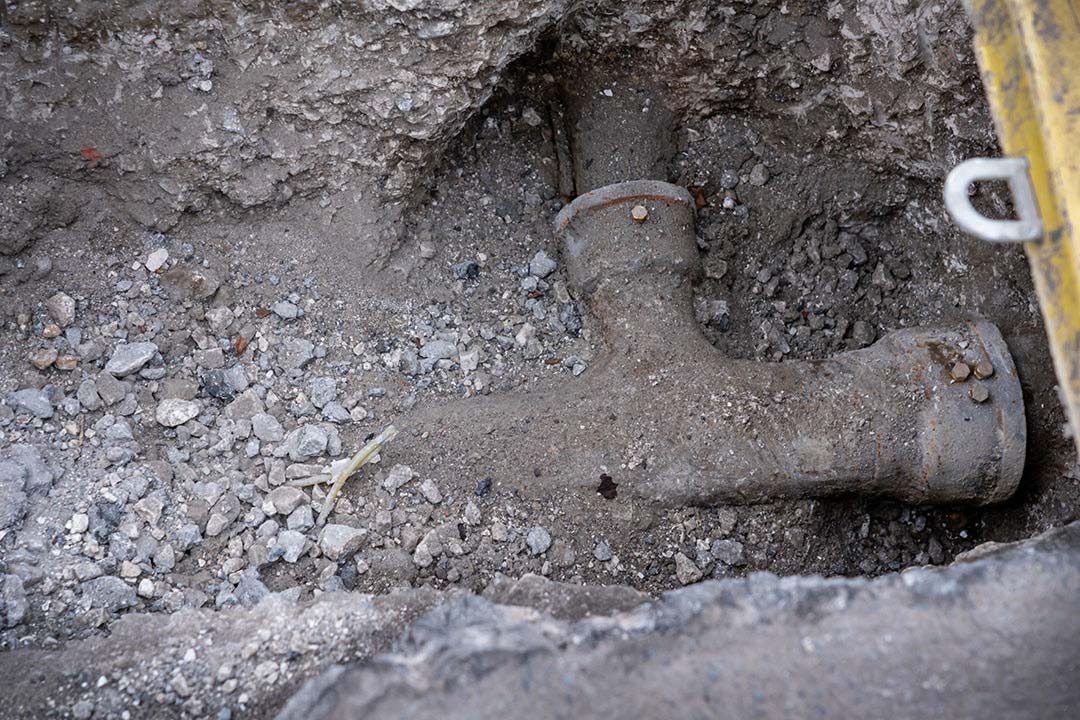
Cellular concrete moves around pipes, conduits, crossings and other buried infrastructure to provide consistent trench backfill or pipe bedding. Because it does not have to be placed and compacted in layers, it can streamline backfilling in deep, narrow or congested trenches where working around utilities can be difficult.
How Blackburn Foundation Repair Places Cellular Concrete in [Target Location]



Cellular Concrete vs. Other Fill Materials
Compared to select fill or compacted aggregate, cellular concrete is lighter, pumpable and needs no mechanical compaction. Conventional CLSM, or flowable fill, provides similar placement advantages but at higher densities, and lightweight aggregate still requires hauling, placement and compaction.
EPS geofoam offers greater weight reduction but requires block-by-block installation and site access. Material, transportation, labor and placement requirements all factor into the overall cost of each option.